Does Homeowners Insurance Cover Tree Removal?

By Tree Emergency Expert
Tree Emergency Expert
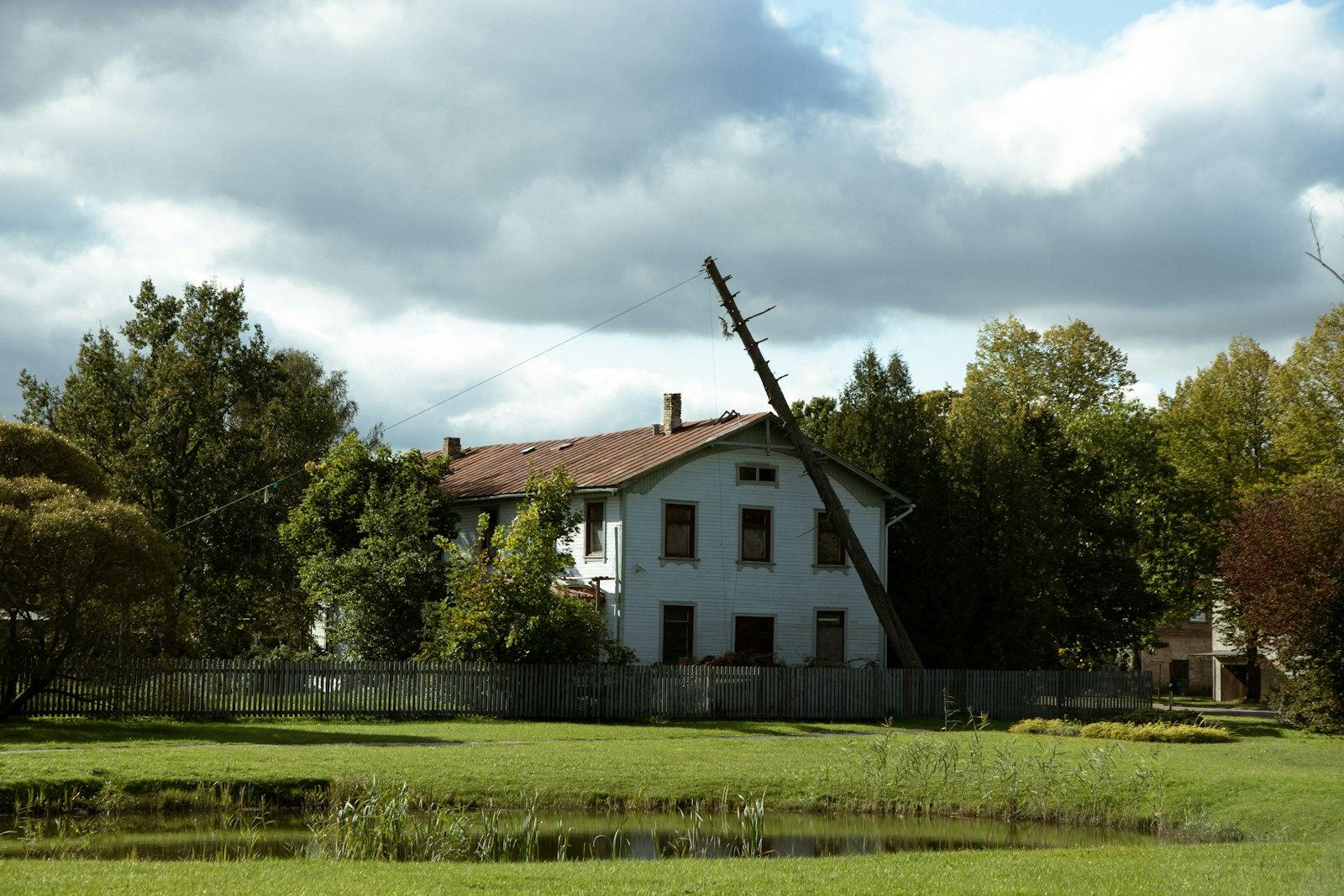
Homeowners insurance sometimes pays to remove a fallen tree, and sometimes leaves you with the bill. Here is how to tell the difference before you file.
It is one of the first questions homeowners ask us after a storm: will my insurance pay to remove this tree? The honest answer is that it depends, and the details matter. Below we break down when coverage typically applies, when it usually does not, and how to give your claim the best chance. Remember that every policy is different, so coverage varies by policy and you should always confirm with your insurer.
The General Rule: Damage Triggers Coverage
Most standard homeowners policies are built around a simple idea. If a fallen tree damages a covered structure, removal and repair are often part of the claim. If a tree falls and hits nothing, coverage is far less likely.
Common scenarios where coverage often applies:
A tree falls on your house, garage, or another insured structure
A tree blocks a driveway or a ramp used for accessibility
A tree damages a fence, shed, or other covered outbuilding
In these cases, insurers frequently pay to remove the tree and repair the damage, subject to your deductible and a per-tree or per-claim removal cap that varies by policy.
When Insurance Usually Will Not Pay
Coverage gets thinner when there is no damage to insured property.
A tree falls in your yard and hits nothing. Removal is typically your expense.
The tree fell due to neglect. If an insurer determines a tree was clearly dead or diseased and you ignored it, a claim may be reduced or denied.
Flood or earth movement. Damage from flooding or mudslides is generally excluded from standard policies.
Cause matters too. Wind, storms, hail, and the weight of ice or snow are usually covered perils. Gradual rot and preventable decay usually are not.
Whose Tree Is It, Anyway?
A frequent point of confusion is a neighbor's tree falling onto your property. In most cases, your own policy handles the damage to your home regardless of where the tree originated. Insurers may later pursue the neighbor's carrier if negligence is involved, but that process happens behind the scenes and should not delay your repairs.
How to Strengthen Your Claim
Good documentation and professional assessment make claims go smoother. Before cleanup begins:
Share this article:
Need help with this right now?
We respond 24/7. Call (866) 320-7003 or start with the page that matches your situation.
Related Articles
Minneapolis Storm Tree Damage: A Twin Cities Guide
Severe thunderstorms, derechos, ice, and emerald ash borer all threaten Minneapolis trees. Here is how Twin Cities storms cause damage and how to prepare.

Renters Insurance and Fallen Tree Damage Explained
When a tree falls on your rental, who pays for what? Here is how renters insurance, your landlord's policy, and the claims process typically fit together after a storm.
Emergency vs. Scheduled Tree Removal Explained
Need Emergency Tree Service?
Our team of certified arborists is available 24/7 to handle any tree emergency.