Never Cut a Storm Tree Under Tension: Here Is Why

By Tree Emergency Expert
Tree Emergency Expert
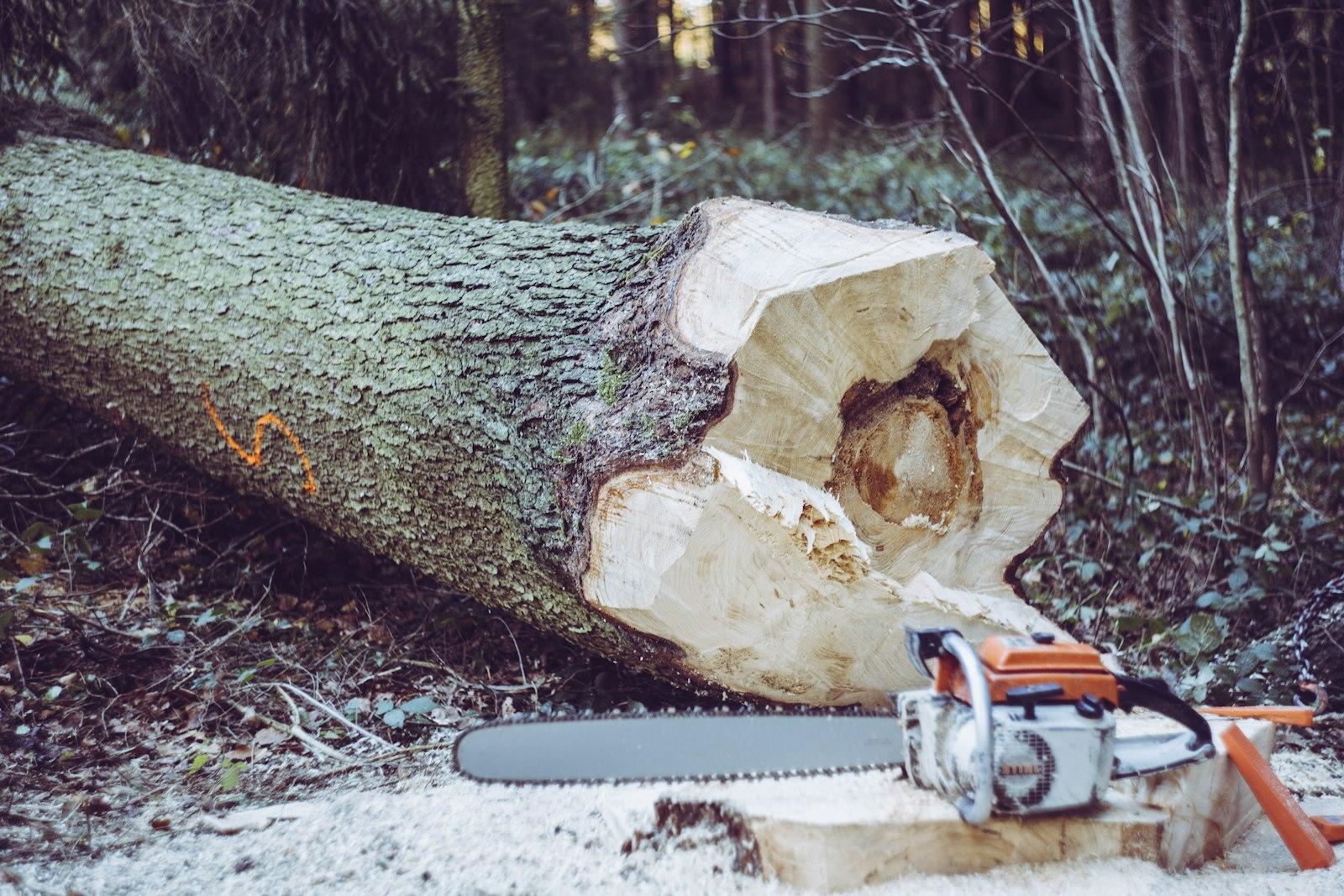
A leaning or fallen storm tree stores energy that can snap a chainsaw back at you in an instant. Here is why cutting one under tension is so dangerous.
Every year, homeowners are seriously hurt trying to clean up storm-damaged trees with their own chainsaws. The reason is almost always the same: they underestimated the energy stored inside a bent, fallen, or leaning tree. A storm tree is not a static object. It is a coiled spring, and one wrong cut can release that force in a fraction of a second. Here is what certified arborists understand about tension and compression, and why we urge you to keep the saw in the garage.
What Tension and Compression Really Mean
When a tree bends, falls, or gets pinned by another trunk, its fibers are no longer at rest. On one side of the wood, the fibers are stretched tight, that is tension. On the opposite side, they are being squeezed together, that is compression. A standing, healthy tree has these forces in balance. A storm-damaged one does not.
The moment your blade cuts through the balance point, the stored energy has to go somewhere. The tension side springs open, the compression side pinches shut, and the whole trunk can jump, roll, or whip toward you faster than you can react.
The Three Ways a Tension Cut Goes Wrong
Experienced crews plan every cut around these failure modes:
Kickback: A pinched bar can throw the saw back at your head and torso in an instant
Barber chair: A trunk under tension can split vertically and slam upward or outward before the cut is complete
Rolling and snapping: A released limb can whip through the air, and a freed trunk can roll onto whatever is below it, including you
None of these give a warning. By the time you feel the wood move, the injury has already happened.
Why Storms Make It Worse
Storm damage stacks hazards on top of one another. A tree may be leaning on a house, hung up in another tree, or split at the base with only a few fibers holding it. Wet ground shifts underfoot. Broken limbs, called widowmakers, hang overhead waiting to drop. And downed power lines are often tangled in the very branches you would need to cut. Any tree in contact with a wire must be treated as energized and left entirely to professionals and the utility.
These are exactly the conditions where a homeowner cannot see where the tension lives, because the loads are hidden and interacting. That guesswork is what makes storm cleanup so deadly.
How Professionals Handle a Loaded Tree
Share this article:
Need help with this right now?
We respond 24/7. Call (866) 320-7003 or start with the page that matches your situation.
Related Articles
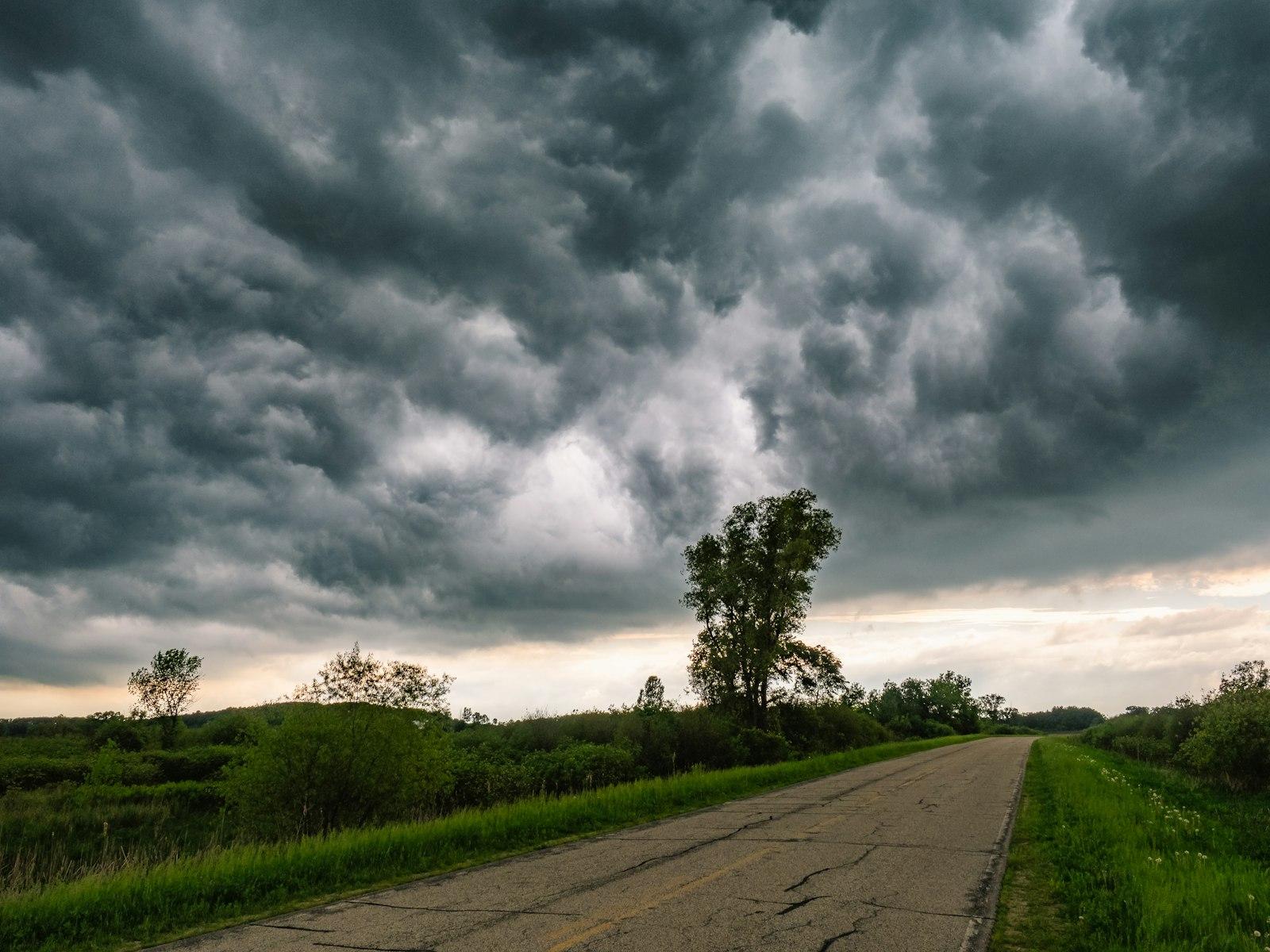
Summer Thunderstorm and Derecho Tree Damage
Summer thunderstorms and fast-moving derechos can topple healthy trees in minutes. Here is how to stay safe, spot hazards, and respond after the storm.
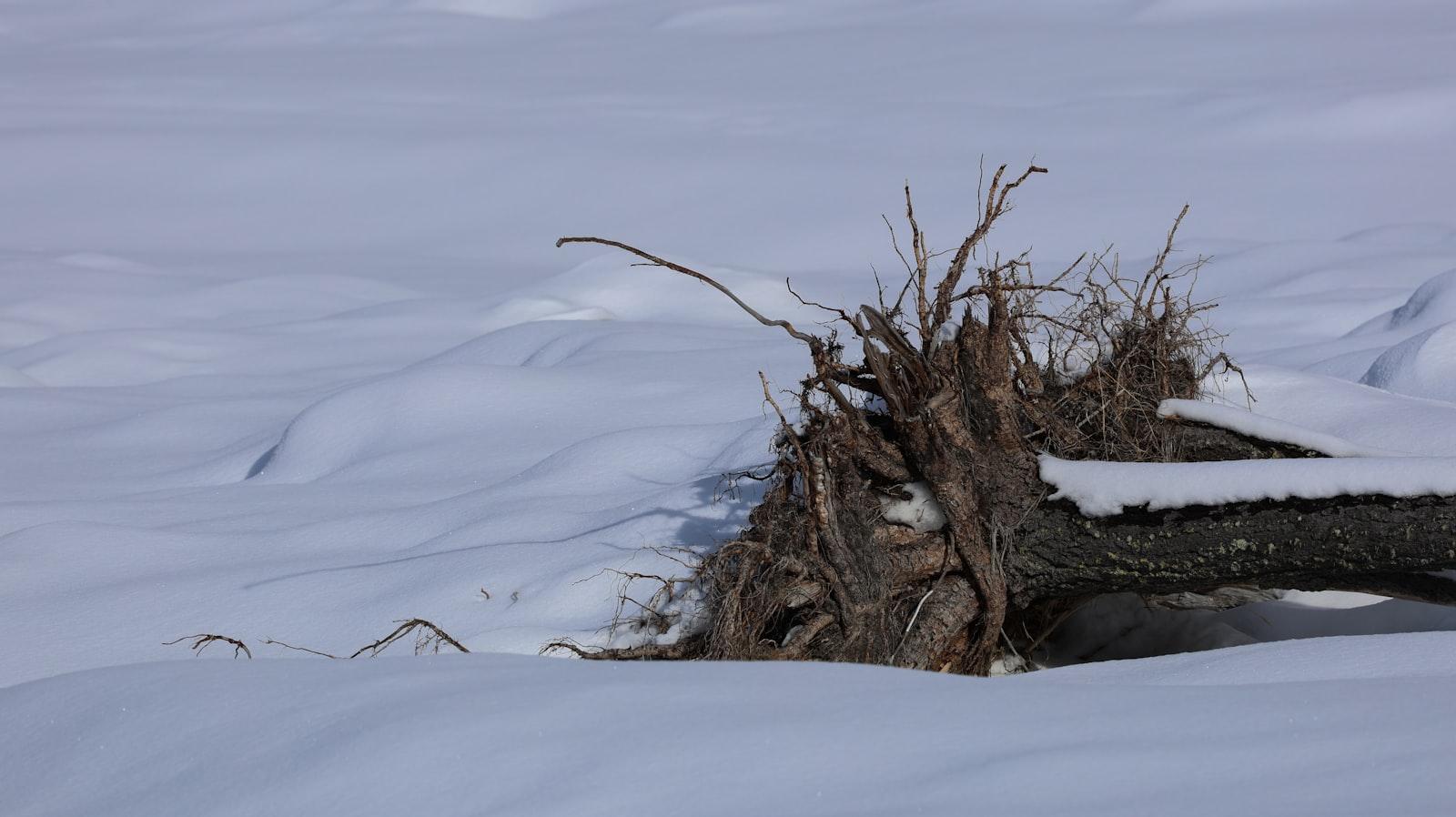
Root Damage and Why Trees Uproot in Storms
When a whole tree tips over in a storm, the wind did not snap it, the roots let go. Here is what weakens a root plate and the warning signs to watch for.
Spring Storm Tree Prep: A Homeowner's Checklist
Need Emergency Tree Service?
Our team of certified arborists is available 24/7 to handle any tree emergency.