How to Safely Tarp a Roof After a Tree Falls

By Tree Emergency Expert
Tree Emergency Expert
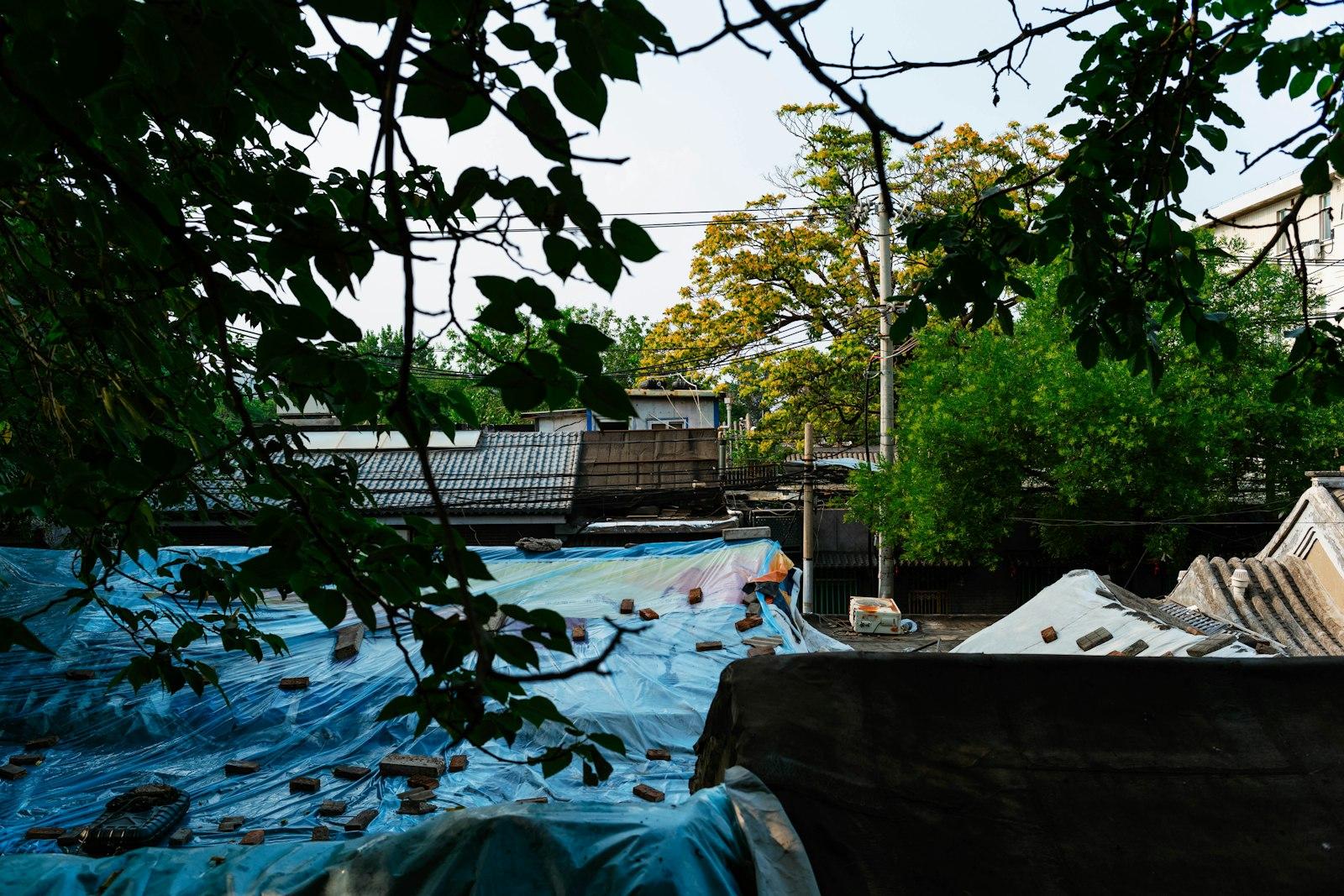
A damaged roof lets water pour in within hours. Here is how certified arborists tarp a roof safely after a tree falls, and when you should wait for a pro instead.
After a tree hits your roof, the clock starts on water damage. Even a small puncture can let rain soak into insulation, drywall, and framing within hours, turning a repairable problem into mold and rot. A properly installed tarp buys you time until a permanent repair is possible. But tarping a damaged roof is dangerous work, and it is not always the right call. Here is how we approach it as certified arborists who respond to these emergencies every day.
When Tarping Makes Sense and When It Does Not
Tarping is a temporary measure for a roof that is still structurally sound but has holes, missing shingles, or exposed decking. It is not appropriate when the tree is still resting on the structure, when the roof is sagging, or when the decking feels soft or spongy underfoot.
If a tree is still on your home, do not climb up to cover it. The weight is holding things in a fragile balance, and adding your body to that equation is how people get hurt. In that case, the priority is professional emergency tree removal first, then tarping.
Gather the Right Materials
A safe, effective tarp job needs more than a plastic sheet and a few bricks. You will want:
A heavy-duty poly tarp rated for the exposed area, sized to overhang each edge of the damage by three to four feet
Several straight two-by-fours to anchor the tarp edges
Roofing nails or screws and a hammer or drill
A sturdy ladder set on level ground with someone spotting it
Work gloves and non-slip footwear
Step by Step: Covering the Damage
Once you have confirmed the roof is safe to stand on and the weather is calm, work methodically.
Roll one long edge of the tarp around a two-by-four and screw the board down above the damaged area, near the ridge, so water sheds over the seam rather than under it
Unroll the tarp down the slope, past the damage, so it drapes over the eave
Wrap the bottom edge around another board and secure it
Anchor the two side edges the same way, keeping the tarp taut so wind cannot get underneath
Share this article:
Need help with this right now?
We respond 24/7. Call (866) 320-7003 or start with the page that matches your situation.
Related services
Related Articles
Spring Storm Tree Prep: A Homeowner's Checklist
Spring is the best time to get trees ready for storm season. Use this checklist to inspect, prune, and reduce the risk of failure before the weather turns.
How to Hire a Licensed, Insured Arborist
Hiring the wrong tree company can cost you dearly. Here is how to verify credentials, insurance, and certification so you hire a safe, qualified arborist.
Minneapolis Storm Tree Damage: A Twin Cities Guide
Need Emergency Tree Service?
Our team of certified arborists is available 24/7 to handle any tree emergency.