How Temporary Roof Tarping Works

By Tree Emergency Expert
Tree Emergency Expert
Emergency tree services are a lifesaver when you’re dealing with storm damage or other unexpected issues. They provide not only fast relief but also peace of mind knowing that experts are handling the situation safely and efficiently.
How Temporary Roof Tarping Works
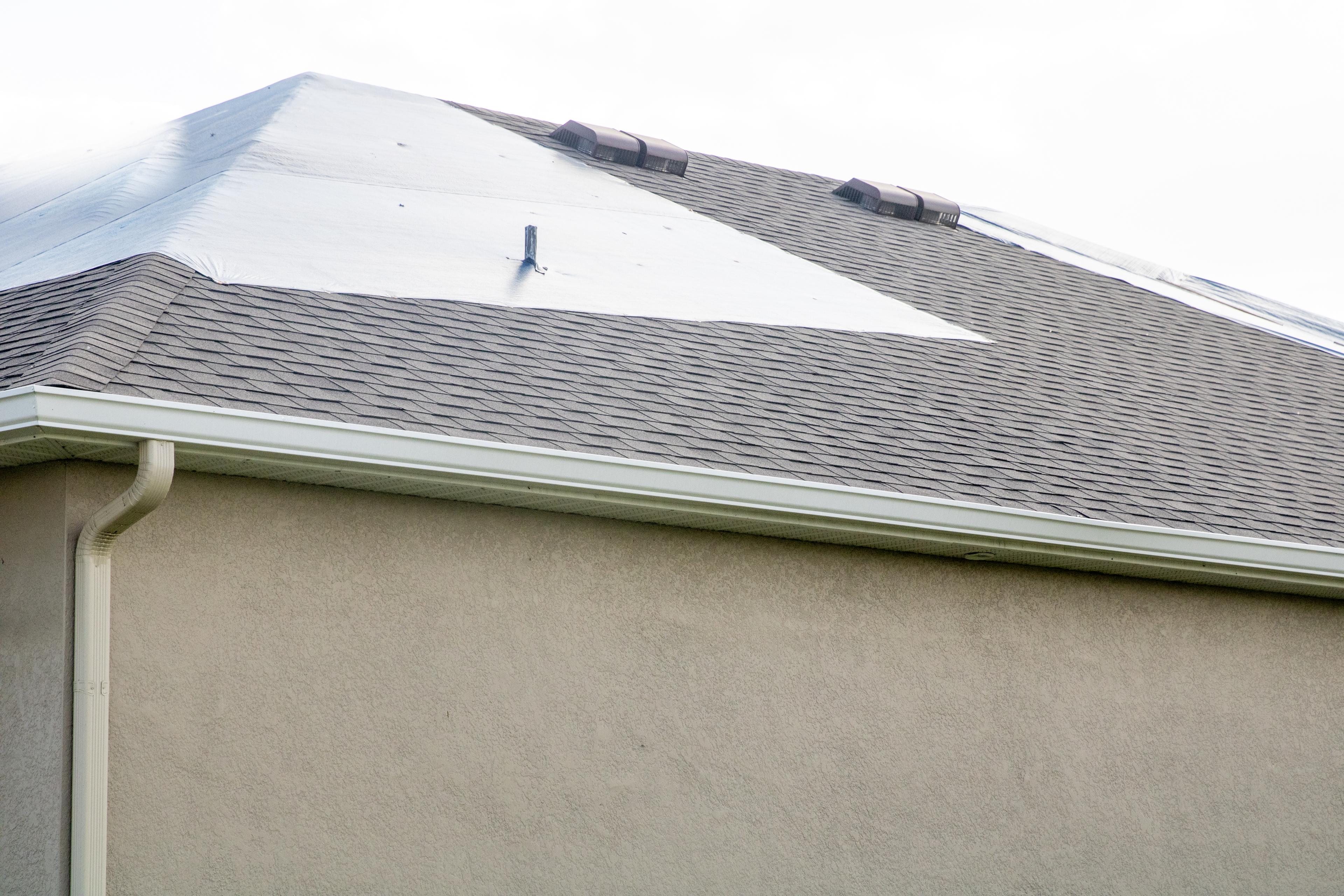
A damaged roof isn’t just an eyesore—it’s a direct threat to your property. Even a small breach can lead to thousands of dollars in water damage within hours. The Insurance Information Institute reports that wind and hail damage make up nearly 40% of all homeowner insurance claims. When disaster strikes, you don’t have time to waste. That’s where temporary roof tarping comes in.
Tarping is a fast, effective way to protect your home or business from further destruction until permanent repairs can be made. But slapping a tarp on a damaged roof isn’t enough. If it’s not properly installed, wind and rain can turn a quick fix into a bigger mess. In this guide, we’ll break down how temporary roof tarping works, when you need it, and why doing it right matters.
When Is Temporary Roof Tarping Necessary?
Roof damage doesn’t wait for a convenient time. It can happen suddenly—after a storm, a fallen tree, or unexpected structural failure. Here are the most common situations where temporary tarping is critical:
Storm Damage
– High winds, hail, and heavy rain can rip off shingles, crack tiles, or create openings in your roof.
Fallen Trees or Debris
– A heavy limb crashing through your roof isn’t just a nightmare—it’s an emergency.
Fire Damage
– Even if a fire
is contained
quickly, your roof may be compromised and vulnerable to the elements.
Leaks & Structural Weakness
– A slow leak today can turn into
major
interior damage tomorrow.
In any of these situations, immediate action is key. A properly installed tarp acts as a temporary shield, preventing further damage while you assess the next steps.
Step-by-Step: How Temporary Roof Tarping Works
Temporary roof tarping isn’t just about throwing a plastic sheet over a hole. It’s about securing your home against further damage. Here’s how professionals get it done:
1. Assess the Damage
Before anything else, it’s crucial to inspect the extent of the damage. Walking on a damaged roof is dangerous, so professionals typically assess from the ground, using drones or ladders when needed. The goal is to determine the size of the affected area and identify potential weak spots.
Share this article:
Related Articles

Delaware Storm Tree Damage Guide
From coastal nor'easters to hurricanes, Delaware trees take a beating. Learn the state's storm risks, power outage steps, and when to call a professional.

Filing a Travelers Tree Damage Claim: What to Know
If a tree damaged your home and Travelers is your carrier, a calm, well-documented claim moves faster. Here is how to mitigate, report, and work with your adjuster.

Tree Branch Through a Window? What to Do Right Now
Need Emergency Tree Service?
Our team of certified arborists is available 24/7 to handle any tree emergency.