Dead Ash Trees: Why Emerald Ash Borer Kills Are So Dangerous

By Tree Emergency Expert
Tree Emergency Expert
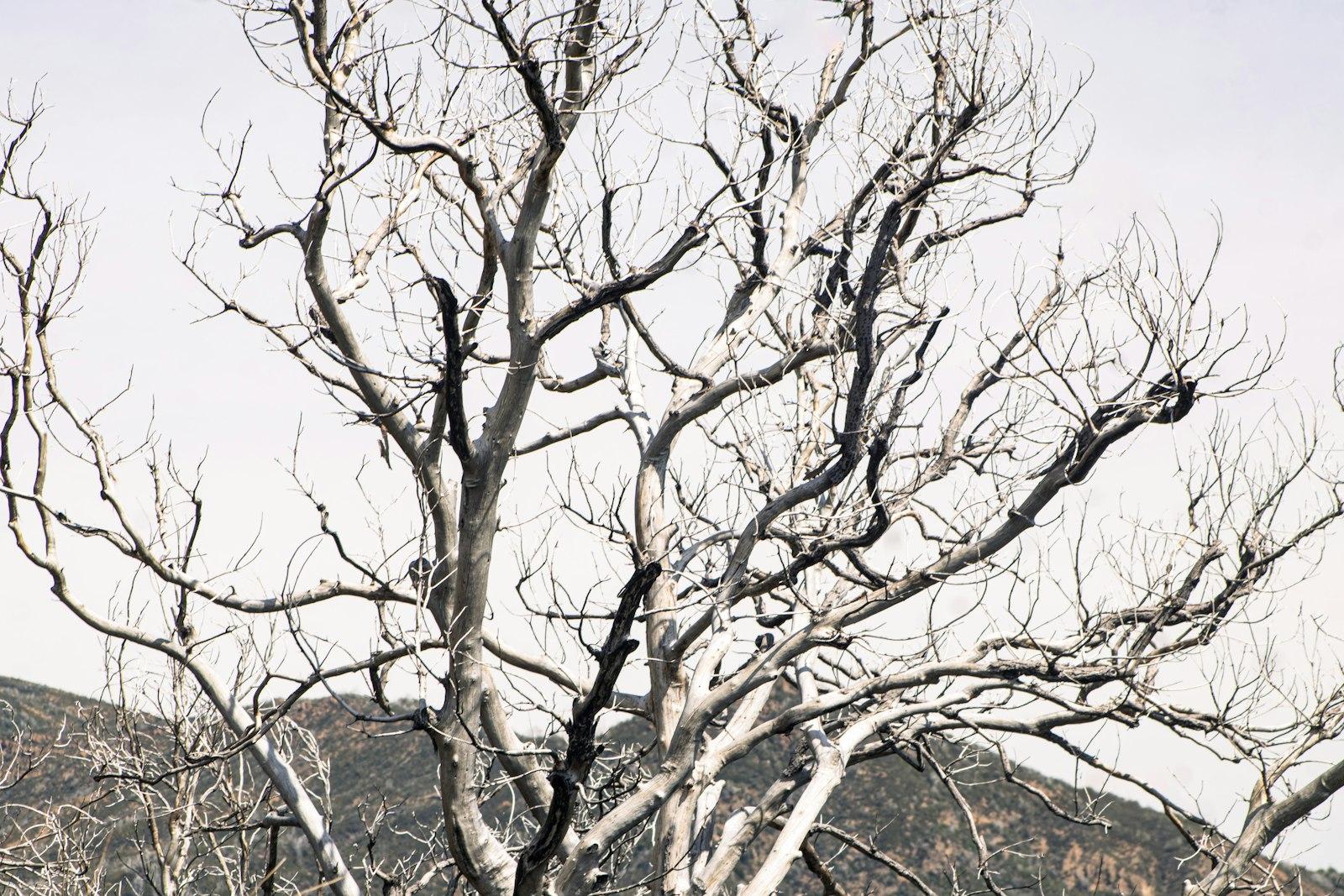
An ash tree killed by emerald ash borer can drop massive limbs without warning. Here is why these dead trees are uniquely dangerous and when to remove one.
Emerald ash borer has killed tens of millions of ash trees across the eastern United States, and Connecticut sits squarely in its path. The insect itself is small, but the standing dead trees it leaves behind are among the most dangerous a homeowner can have. Unlike most declining trees, an ash killed by this pest fails in ways that are sudden, unpredictable, and hard to see coming.
Why a Dead Ash Is Different
Most trees give warning before they fail. They lean, drop small limbs, or show visible rot over years. An ash killed by emerald ash borer often looks intact from the ground while it becomes structurally hollow inside.
The Wood Turns Brittle Fast
When the borer's larvae tunnel beneath the bark, they cut off the tree's ability to move water and nutrients. The tree dies from the top down, and the wood dries and grows brittle far more quickly than most species. Within a year or two of death, branches and even the main trunk can snap under their own weight.
It Drops Without Warning
This is what makes dead ash uniquely hazardous. A healthy tree bends and flexes in wind. A brittle dead ash does not. Large limbs and whole tops can let go on a calm day with no storm at all, which is why arborists treat these trees with extra caution.
Climbing Becomes Unsafe
Because the wood can no longer be trusted to hold weight, a dead ash is often too dangerous to climb. That changes how it must be removed and is one reason professionals frequently bring in a crane or bucket rather than sending a climber up.
Signs Your Ash Is Affected
Look for these indicators, ideally with help from a professional:
Thinning canopy or dead branches at the top of the tree
New shoots sprouting from the base or trunk, a stress response
S-shaped tunnels and small D-shaped exit holes under loose bark
Vertical bark splits and heavy woodpecker activity, which signals larvae underneath
Bark falling away in patches, called blonding
If you see several of these together, the tree is likely well into decline.
When to Remove It
Timing matters with ash. The longer a dead ash stands, the more brittle and dangerous it becomes, and the more it costs to remove safely. Acting while the wood still has some integrity is safer and often cheaper. We recommend removal when a dead or dying ash stands within reach of your home, driveway, walkway, play area, or any spot where people gather.
Share this article:
Need help with this right now?
We respond 24/7. Call (866) 320-7003 or start with the page that matches your situation.
Related Articles
Minneapolis Storm Tree Damage: A Twin Cities Guide
Severe thunderstorms, derechos, ice, and emerald ash borer all threaten Minneapolis trees. Here is how Twin Cities storms cause damage and how to prepare.
Renters Insurance and Fallen Tree Damage Explained
When a tree falls on your rental, who pays for what? Here is how renters insurance, your landlord's policy, and the claims process typically fit together after a storm.
Emergency vs. Scheduled Tree Removal Explained
Need Emergency Tree Service?
Our team of certified arborists is available 24/7 to handle any tree emergency.