Top 5 Indicators That a Tree is About to Fall: What Every Homeowner Should Know

By Tree Emergency Expert
Tree Emergency Expert
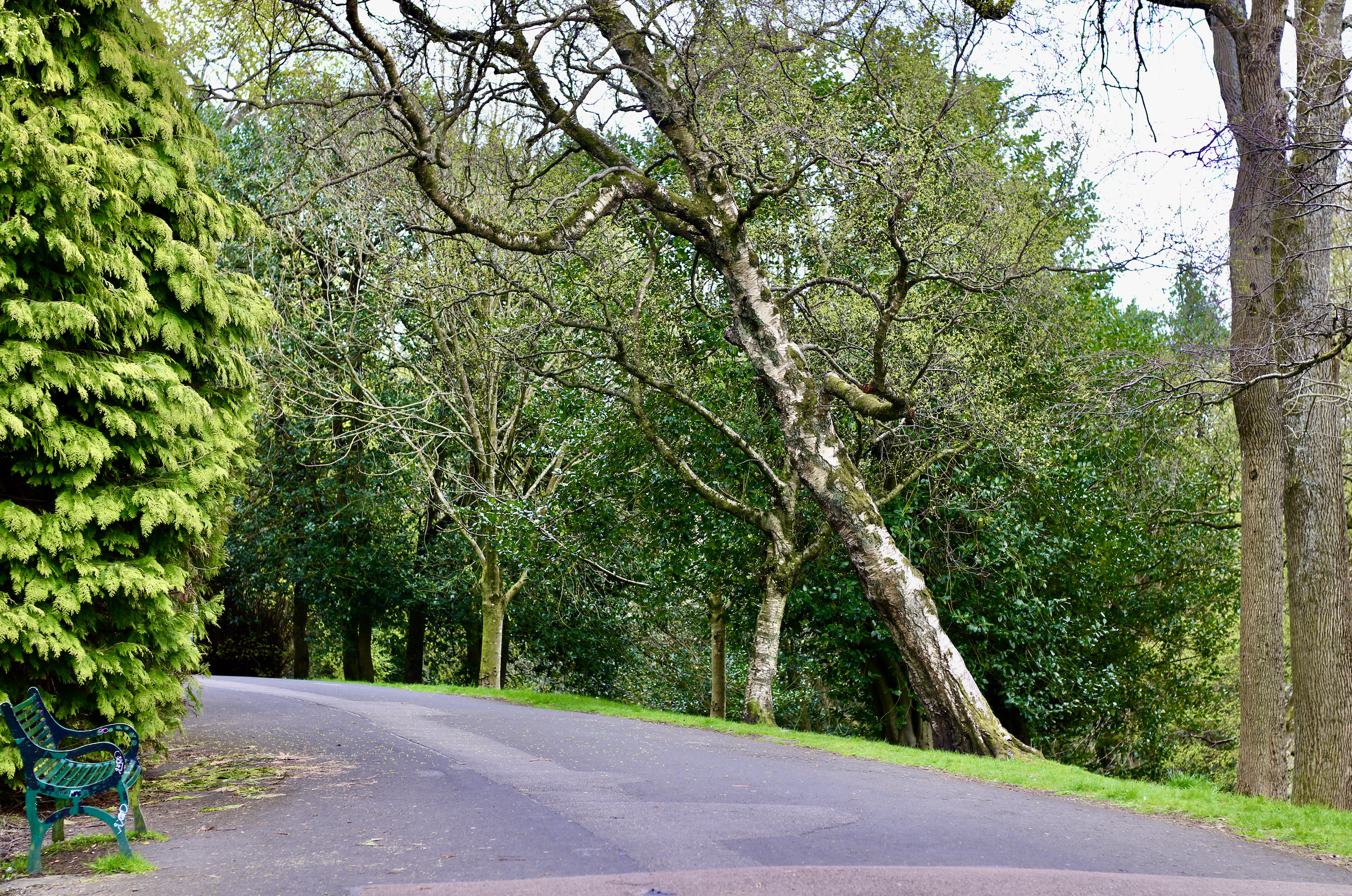
When it comes to keeping your property safe, trees often get overlooked—until they’re about to fall. Let’s dive into the signs that mean a tree on your property is unstable, and what you can do about it.
When it comes to keeping your property safe, trees often get overlooked—until they’re about to fall. Here’s a shocking fact: a mature oak tree can weigh as much as 4 tons. Imagine that coming down on your roof, car, or even worse, during a storm. Knowing the warning signs could save you thousands in repairs and, more importantly, prevent potential injuries. It’s not just about aesthetics or yard maintenance; it’s about your safety. Understanding when a tree is at risk is something every homeowner needs to know. Let’s dive into the signs that mean a tree on your property is unstable, and what you can do about it.
1. Leaning Trunks: The Obvious Red Flag
When a tree begins to lean, it’s often a sign that the root system is under stress or failing. Not all leaning trees are dangerous, though. Trees that naturally grow at an angle—especially in groups where they lean toward sunlight—may be stable for years. But if a tree starts leaning suddenly, especially after heavy rains or strong winds, it’s a signal that something’s wrong. Leaning can indicate a shift in the soil around the roots, often the result of root damage, soil erosion, or extreme weather.
What You Can Do:
• Inspect the base of the tree. Is there a mound of soil on one side? That’s a telltale sign of shifting roots.
• Check for cracks in the soil around the base, which can indicate recent movement.
• If the lean has worsened recently, contact a certified arborist immediately to assess the risk.
2. Dead or Broken Branches: Signs of Stress
Dead branches aren’t just an eyesore; they’re a clue that your tree may be in decline. Branch dieback often signals that the tree is under stress, struggling to draw nutrients from the soil. This could be due to root damage, disease, or even pest infestations. Branches tend to die from the top down, so pay close attention to the upper canopy of the tree.
What You Can Do:
• Look for branches that are discolored, brittle, or lack leaves during a season when they should be full.
• Examine the ends of branches; if they look shriveled or dry, that’s a strong indication of dieback.
• Trim dead branches promptly to prevent them from falling. This will also reduce stress on the rest of the tree, allowing it to use its energy more efficiently.
3. Cracks in the Trunk: Nature’s Warning Signal
Share this article:
Need help with this right now?
We respond 24/7. Call (866) 320-7003 or start with the page that matches your situation.
Related services
Related Articles

Baltimore Storm Tree Damage: A Charm City Guide
Nor'easters, the 2012 derecho, and hurricane remnants each threaten trees differently. Here is how Baltimore storms damage property and how to prepare.
Commercial Property Tree Damage Claims: A Guide
Tree damage to a commercial building carries higher stakes than a home claim. Here is how to document, understand your policy, and file a strong claim.
How to Prevent Storm Damage to Your Trees
Need Emergency Tree Service?
Our team of certified arborists is available 24/7 to handle any tree emergency.