Storm Damage in Pittsburgh: What to Do When Trees Fall After Severe Weather

By Tree Emergency Expert
Tree Emergency Expert
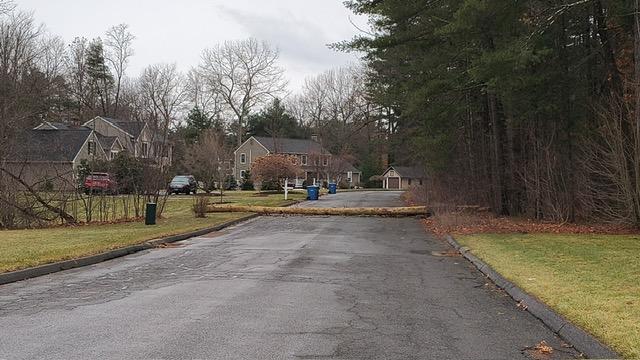
Severe storms recently moved through Pittsburgh, bringing strong winds, heavy rain and widespread tree damage across neighborhoods throughout Allegheny County. Fallen trees, broken limbs, and storm-damaged branches are creating hazardous conditions for homeowners, especially when trees land on homes, driveways or power lines. When storms hit Western Pennsylvania, fast action is critical. Understanding what to do after a tree falls can help protect your property and keep your family safe.
Storm Damage in Pittsburgh: What to Do When Trees Fall After Severe Weather
Severe storms recently moved through Pittsburgh, bringing strong winds, heavy rain and widespread tree damage across neighborhoods throughout Allegheny County. Fallen trees, broken limbs, and storm-damaged branches are creating hazardous conditions for homeowners, especially when trees land on homes, driveways or power lines.
When storms hit Western Pennsylvania, fast action is critical. Understanding what to do after a tree falls can help protect your property and keep your family safe.
Why Storms Cause So Many Trees to Fall in Pittsburgh
The landscape around Pittsburgh includes many mature hardwood trees such as oak, map and sycamore. While these trees add beauty and shade to neighborhoods, they can also become dangerous during severe weather.
Common reasons trees fall after storms include:
High wind gusts that uproot shallow root systems
Saturated soil from heavy rainfall loosening the ground
Dead or weakened trees that can’t withstand strong winds
Overgrown branches that catch wind like a sail
Areas with dense tree coverage and older properties can experience significant damage after powerful storms.
Signs a Tree May Be Dangerous After a Storm
After severe weather moves through the Pittsburgh area, homeowners should carefully inspect trees around their property for damage.
Look for warning signs such as:
Large cracked or hanging limbs
Trees leaning suddenly toward your home or driveway
Roots lifting out of the ground
Split trunks or exposed wood
Branches resting on power lines or structures
Even if a tree hasn’t fully fallen, these signs often indicate a and should be handled by professionals.
Share this article:
Need help with this right now?
We respond 24/7. Call (866) 320-7003 or start with the page that matches your situation.
Service in your area
Related services
Related Articles

Baltimore Storm Tree Damage: A Charm City Guide
Nor'easters, the 2012 derecho, and hurricane remnants each threaten trees differently. Here is how Baltimore storms damage property and how to prepare.
Commercial Property Tree Damage Claims: A Guide
Tree damage to a commercial building carries higher stakes than a home claim. Here is how to document, understand your policy, and file a strong claim.
How to Prevent Storm Damage to Your Trees
Need Emergency Tree Service?
Our team of certified arborists is available 24/7 to handle any tree emergency.