The Process of Emergency Tree Removal

By Tree Emergency Expert
Tree Emergency Expert
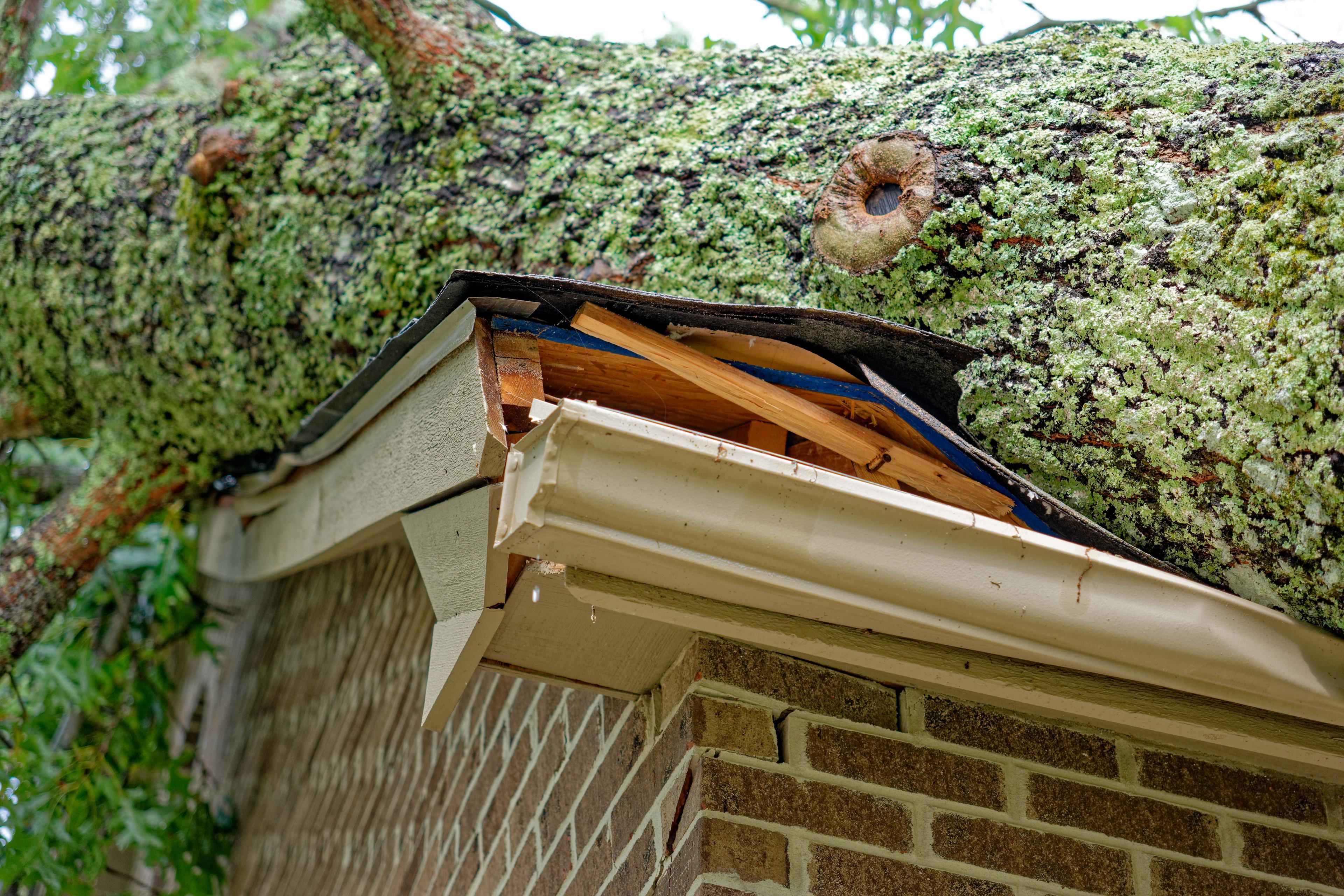
Emergency tree removal is not like routine tree maintenance. It’s urgent, unpredictable, and requires skilled professionals to handle the job safely. Whether it’s blocking a road, threatening power lines, or crashing into a home, every situation demands precision and speed.
A single storm can bring down thousands of trees. According to the National Storm Damage Center, falling trees cause over $1 billion in property damage each year in the U.S. alone. When disaster strikes, fast action is critical. A fallen or dangerously leaning tree isn’t just an inconvenience—it’s a safety hazard.
Emergency tree removal is not like routine tree maintenance. It’s urgent, unpredictable, and requires skilled professionals to handle the job safely. Whether it’s blocking a road, threatening power lines, or crashing into a home, every situation demands precision and speed. So, what happens when you need an emergency tree removed? Let’s walk through the process.
Step 1: Assessing the Situation
Before any cutting begins, professionals must evaluate the scene. Safety is the top priority. A fallen tree could be tangled in power lines, resting against a weak structure, or unstable due to broken limbs. Removing it without a plan could cause more damage—or worse, injuries.
During the initial assessment, tree removal experts consider:
The tree’s position
– Is it leaning? Uprooted? Partially fallen?
Nearby hazards
– Power lines, homes, vehicles, and underground utilities.
Accessibility
– Can heavy equipment reach it, or is manual removal required?
Tree condition
– Is it decayed, split, or weakened by disease?
Once the risks are identified, a strategy is developed. In many cases, specialized equipment like cranes, bucket trucks, or winches is necessary to remove the tree safely.
Step 2: Securing the Area
Tree removal isn't just about cutting. It's about controlling the fall to prevent further damage. Before work starts, professionals establish a safe perimeter. Roads may be blocked off, power companies may be contacted, and bystanders are kept at a safe distance.
If the tree is on a home, the removal team takes extra precautions to prevent structural collapse. Temporary supports, strategic cuts, and careful rigging all help control how the tree is removed, piece by piece.
Share this article:
Need help with this right now?
We respond 24/7. Call (866) 320-7003 or start with the page that matches your situation.
Related Articles
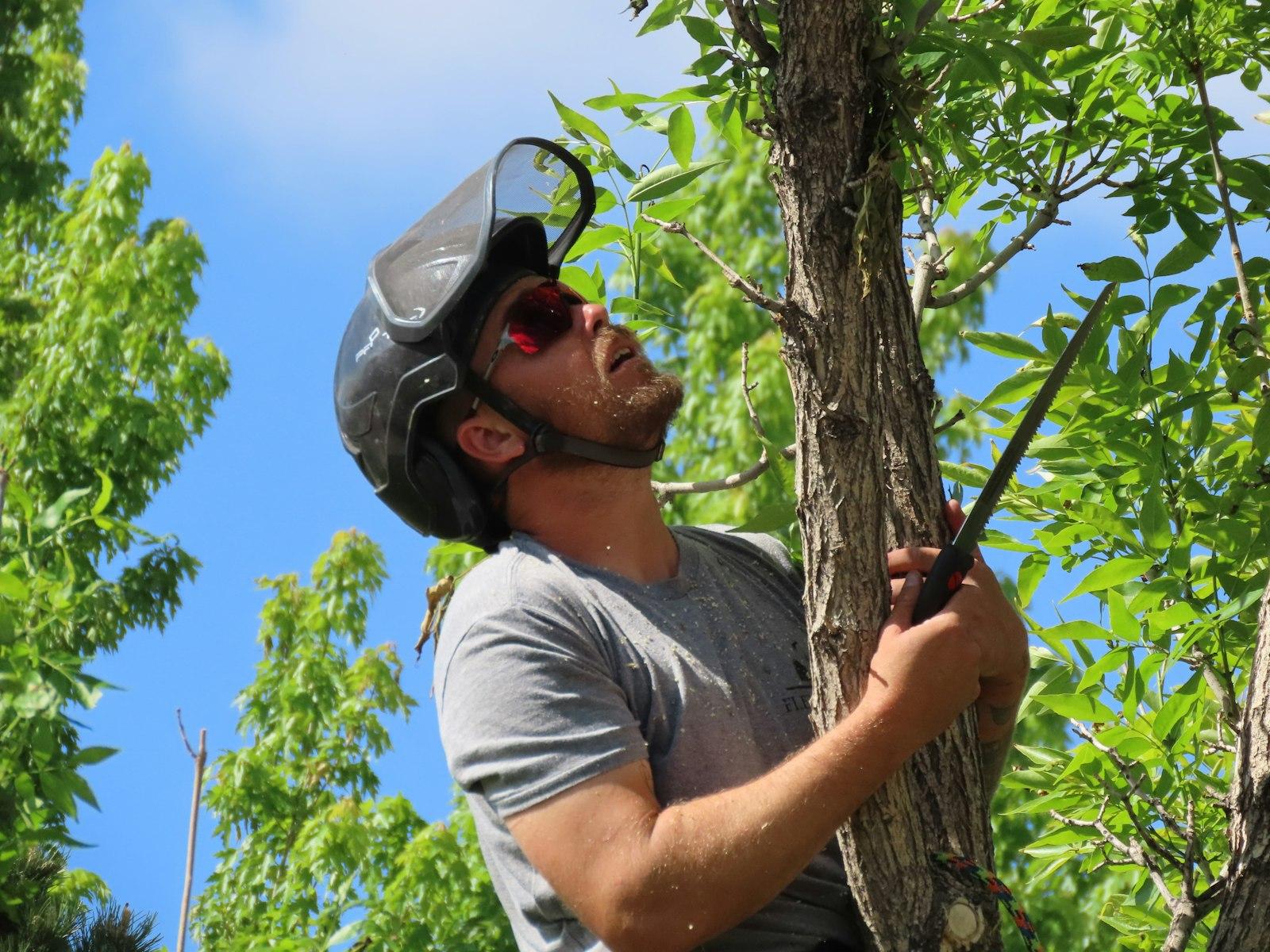
How to Inspect Your Trees After a Storm
Storm damage is not always obvious. Use this post-storm checklist to safely inspect your trees, spot hidden hazards, and know exactly when to call a pro.
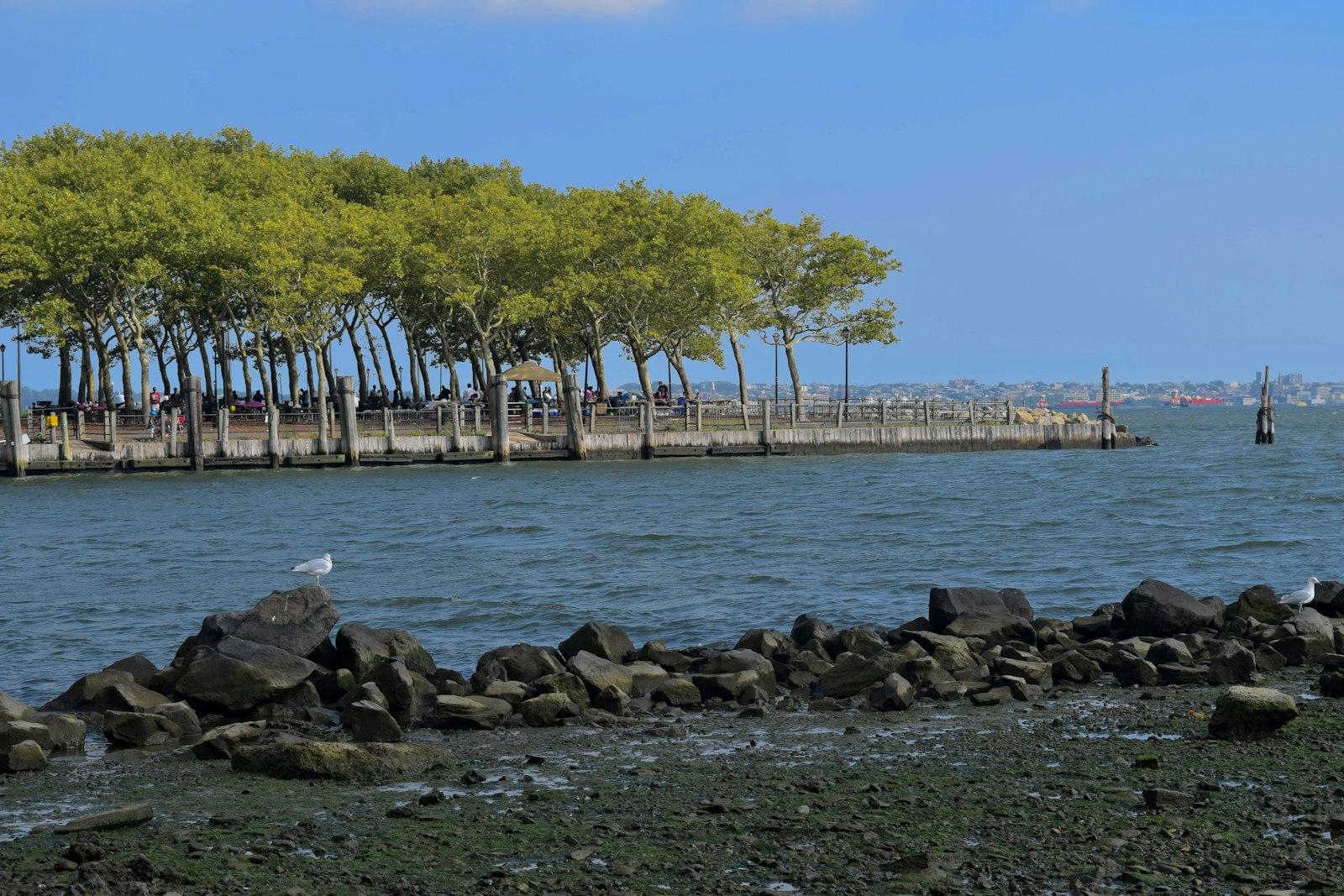
Long Island Storm Tree Damage: A Homeowner's Guide
Hurricanes like Sandy, nor'easters, and salt-laden coastal wind each threaten Long Island trees. Here is how the region's storms damage property and how to prepare.

How Emergency Tree Documentation Speeds Your Claim
Need Emergency Tree Service?
Our team of certified arborists is available 24/7 to handle any tree emergency.