Storm Damage Guide: Lessons from the 2025 Massachusetts Tornado Season

By Tree Emergency Expert
Tree Emergency Expert
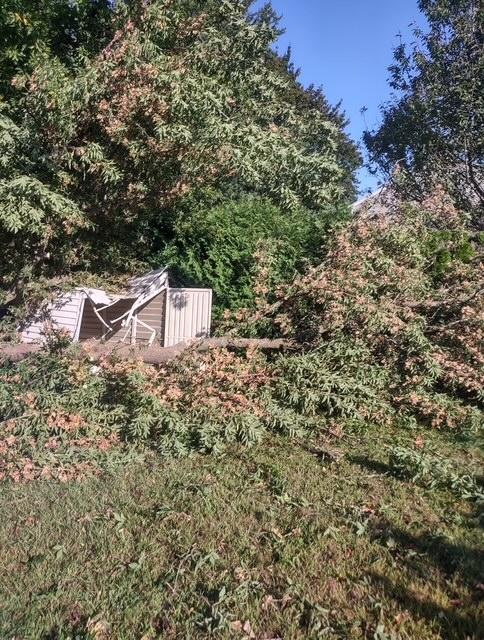
Tornadoes don’t just topple trees. They twist trunks, splinter limbs, and leave hidden hazards that can linger for weeks. If you live in Massachusetts or across New England, the storms of 2025 were a wake-up call: severe weather is no longer rare. Here’s how to protect your property—and why calling a professional emergency tree service matters more than ever.
Storm Damage Guide: Lessons from the 2025 Massachusetts Tornado Season
“In just three hours, a year’s worth of destruction hit western Massachusetts.”
That’s how one meteorologist described the 2025 tornado outbreak.
For homeowners, the damage felt instant—and overwhelming.
Tornadoes don’t just topple trees. They twist trunks, splinter limbs, and leave hidden hazards that can linger for weeks.
If you live in Massachusetts or across New England, the storms of 2025 were a wake-up call: severe weather is no longer rare.
Here’s how to protect your property—and why calling a professional emergency tree service matters more than ever.
1. Assess Damage Safely—Before You Step Outside
The urge to inspect your yard right after a storm is natural. Don’t rush it.
Check for downed power lines first. Look for hanging branches—sometimes called “widow-makers”—that can drop without warning.
If you see a tree leaning toward your home, garage, or a neighbor’s property, keep clear until a licensed arborist evaluates the site.
2. Understand the Hidden Risks
Not all storm damage is obvious.
Roots may be cracked beneath the soil, ready to give way in the next gust.
Large limbs can be partially split, only to fail days later.
This is where 1 Tree Emergency’s rapid-response crews step in.
Our arborists use advanced equipment to spot internal fractures and stabilize dangerous trees before they collapse.
3. Call a True Emergency Tree Service
Regular tree care companies might offer storm cleanup—but emergency removal is different.
It requires specialized cranes, rigging gear, and a crew trained to work around live power lines and unstable structures.
We mobilize within hours, not days, handling everything from insurance documentation to safe debris removal.
4. Work with Your Insurance Carrier
Take clear photos and video of all damage before any cleanup starts.
Most homeowner policies cover fallen trees that damage a structure or block a driveway.
Share this article:
Need help with this right now?
We respond 24/7. Call (866) 320-7003 or start with the page that matches your situation.
Service in your area
Related services
Related Articles
Cabling and Bracing to Save a Weak Tree
A split fork or heavy leaning limb does not always mean removal. Cabling and bracing can add years of safe life to a valuable tree when it is the right fit.
Providence Storm Tree Damage: A Rhode Island Guide
Nor'easters, hurricane remnants, and the legacy of the 1938 hurricane each threaten trees. Here is how Providence storms cause damage and how to prepare.

Filing a Farmers Tree Damage Claim: A Practical Guide
Need Emergency Tree Service?
Our team of certified arborists is available 24/7 to handle any tree emergency.