Documenting Tree Damage for Claims

By Tree Emergency Expert
Tree Emergency Expert

Documenting tree damage isn’t complicated, but it is time-sensitive. And it’s easy to miss important steps when you're in the middle of a stressful, chaotic situation.
Documenting Tree Damage for Claims
"Insurance is one of those things you never think about—until you absolutely need it."
After a storm, the first thing most people notice isn’t the missing shingles or cracked windows. It’s the tree sprawled across their roof. Tree damage is one of the top reasons homeowners file storm-related insurance claims in the U.S., and yet, so many are unprepared when it’s time to document the damage. Panic sets in. Photos get missed. Important details go unrecorded. And unfortunately, that can cost you—literally.
Let’s fix that.
This guide is built for real-world use. It's not fluff. Whether you're a homeowner staring at a fallen oak, or a property manager navigating multiple damaged sites, the right documentation can be the difference between a smooth payout and a denied claim. Let’s walk through what to do, what not to miss, and how to present your case like a pro.
Step 1: Safety First—Always
Before snapping photos or calling your insurer, pause. Look around. Are there downed power lines? Gas leaks? Branches hanging on by a thread above your head?
If there’s any immediate danger, don’t approach. Call emergency services or your utility company first. Documentation can wait a few minutes—your safety can’t.
Once the scene is safe, it’s time to get to work.
Step 2: Take Clear, Comprehensive Photos
This is your visual evidence. Treat it like a case file.
Start wide: Get full shots of the property, including the fallen tree, damaged areas, and any nearby structures. Capture the big picture.
Then go close: Zoom in on specific damage—dented gutters, cracked siding, smashed fencing, roof punctures, etc.
Multiple angles: Photograph from different directions. Front. Back. Side. Don’t assume one shot will do it.
Lighting matters: Natural daylight is best. Use a flashlight if necessary but avoid dark or blurry images.
Tip: Turn on the timestamp feature on your phone or camera, if possible. If not, keep a written record of when each photo was taken.
Step 3: Inventory the Damage
Go beyond what you can see.
: Note which parts of the property are affected—roof, windows, landscaping, vehicles, etc.
Share this article:
Need help with this right now?
We respond 24/7. Call (866) 320-7003 or start with the page that matches your situation.
Related Articles

Virginia Beach Hurricane Tree Damage: A Coastal Guide
Hurricanes, storm surge, salt spray, and sprawling live oaks each threaten coastal trees. Here is how Virginia Beach storms cause damage and how to prepare.

ACV vs. Replacement Cost for Tree Damage Claims
Actual cash value and replacement cost can produce very different payouts. Here is how each is calculated and what to check before you file a tree claim.
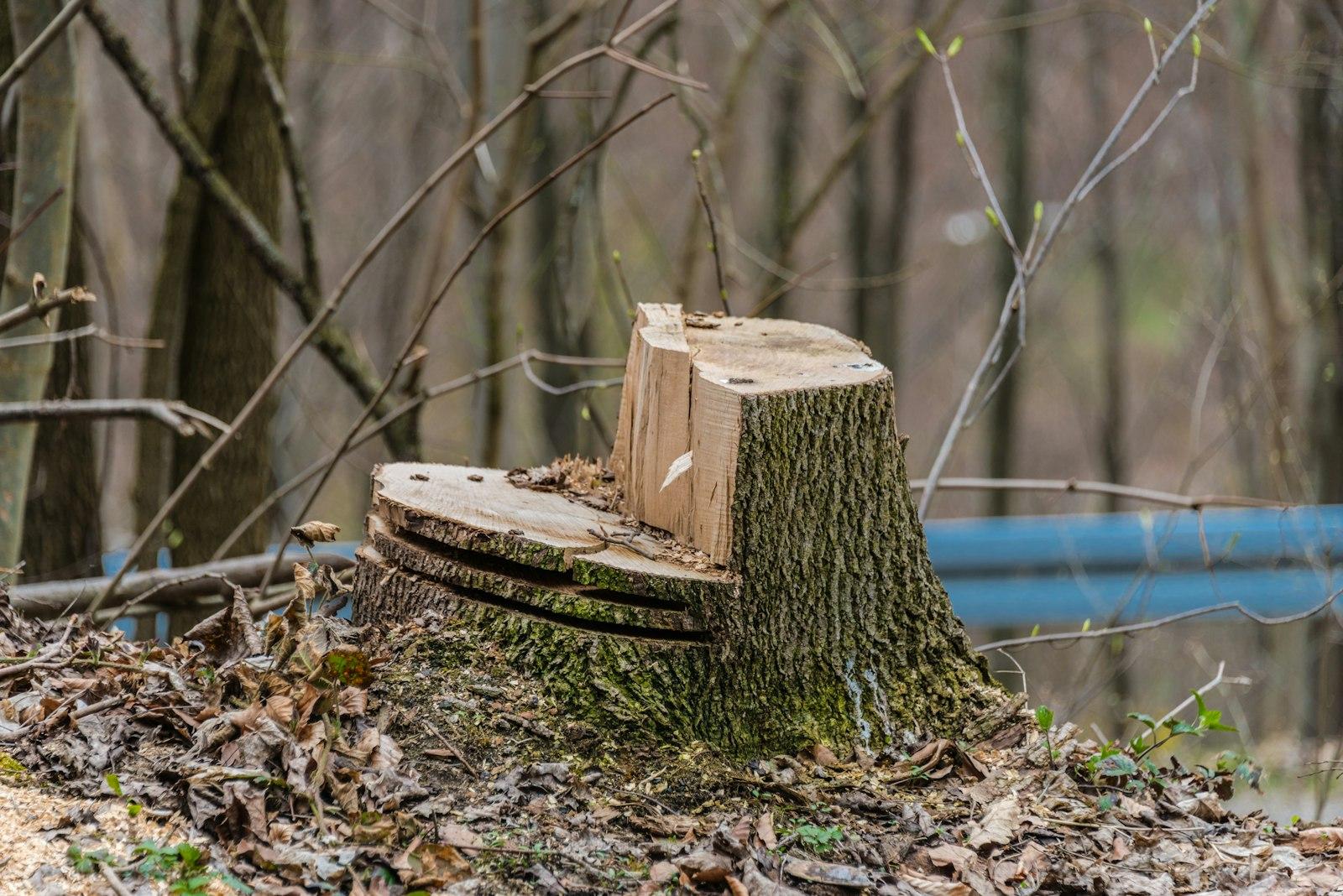
Stump Removal After Emergency Tree Work
Need Emergency Tree Service?
Our team of certified arborists is available 24/7 to handle any tree emergency.