How We Ensure Reliable First Responders Nationwide

By Tree Emergency Expert
Tree Emergency Expert
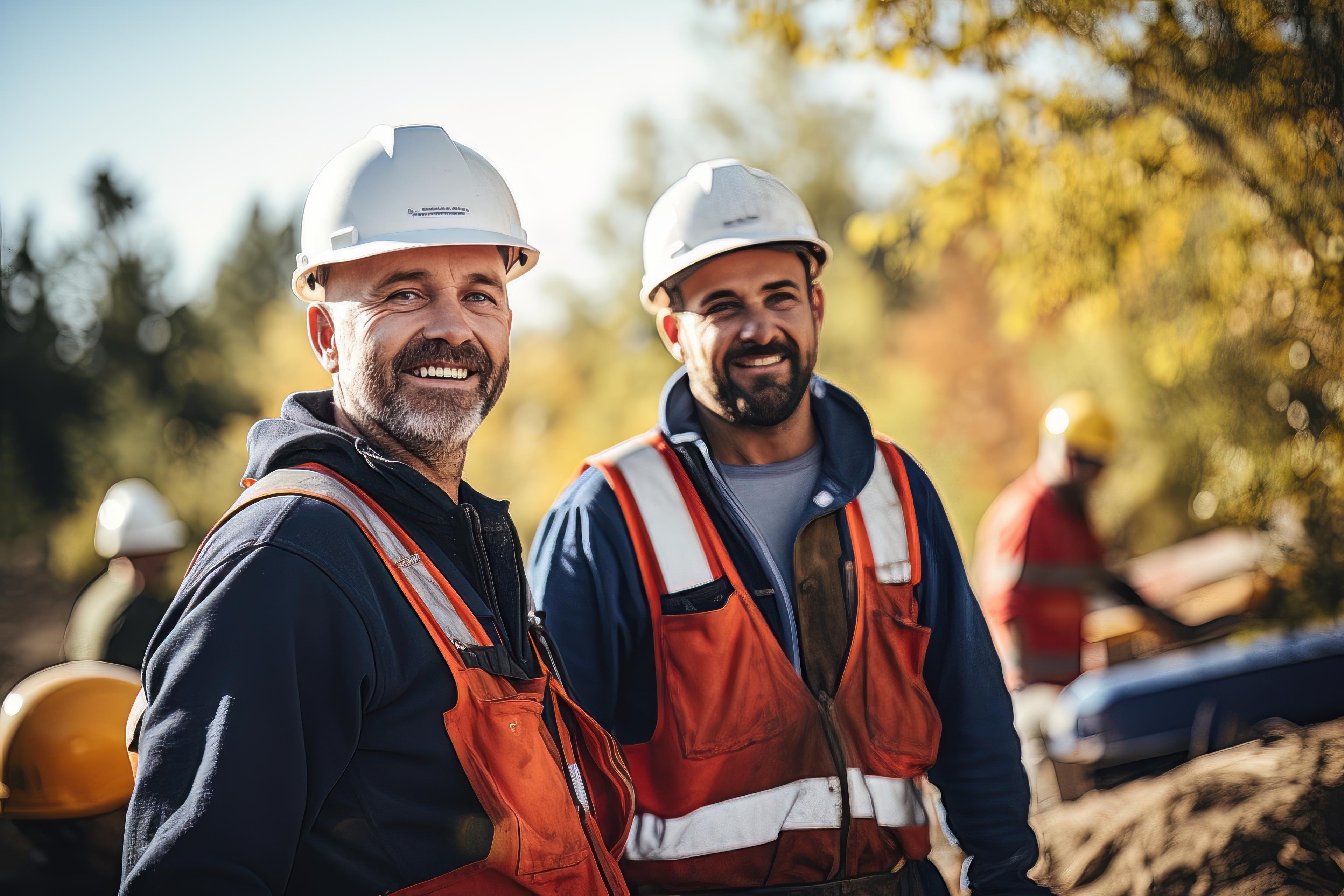
We map out high-risk areas and ensure we have responders strategically placed for rapid deployment. This means that when you call, we’re not scrambling to find help—we already have the right team in position.
How We Ensure Reliable First Responders Nationwide
"Every minute counts in an emergency. A five-minute delay can turn a manageable situation into a full-blown disaster."
When disaster strikes—a hurricane tears through a community, a storm topples trees onto homes, or a sudden emergency demands immediate tree removal—there’s no time for guesswork. You need boots on the ground. Fast. That’s where we come in. Our nationwide network of first responders is built for speed, reliability, and precision. But how do we ensure that no matter where disaster hits, help is on the way? Here’s how.
1. We Vet Every Responder—Thoroughly
Not just anyone makes it into our network. Before adding a responder to our system, we conduct deep background checks, verify insurance and certifications, and assess past performance. We don’t just take their word for it—we confirm it.
Once onboarded, we continuously monitor their response times, customer feedback, and the quality of their work. If a team doesn’t meet our high standards, they don’t stay in our network. Period.
2. Strategic Nationwide Coverage
Emergencies don’t follow a schedule. They don’t wait for business hours. That’s why our network is designed to cover every corner of the country—urban, suburban, and rural. We map out high-risk areas and ensure we have responders strategically placed for rapid deployment. This means that when you call, we’re not scrambling to find help—we already have the right team in position.
We don’t just rely on geographical coverage; we also factor in seasonal trends. Areas prone to hurricanes in the summer need more responders on standby during storm season. Regions with heavy snowfall require teams ready to tackle tree damage from ice and snow. By proactively adjusting our network’s focus based on weather patterns and historical data, we ensure no area is left vulnerable.
3. 24/7 Dispatch & Rapid Mobilization
Time is everything. Our dispatch system operates around the clock, ensuring that when an emergency call comes in, we can immediately deploy the nearest qualified team. Our system prioritizes urgency, location, and expertise to get the right responders on-site as fast as possible.
We also use real-time tracking to monitor response times and adjust as needed. No long wait times. No uncertainty. Just immediate action.
To make sure no call goes unanswered, we’ve invested in cutting-edge technology. Our AI-driven dispatch system analyzes incoming requests, cross-references responder availability, and automatically assigns the best team based on proximity and skill set. This removes delays and human error, ensuring that responders are on their way within minutes of a call.
Share this article:
Need help with this right now?
We respond 24/7. Call (866) 320-7003 or start with the page that matches your situation.
Related Articles

ACV vs. Replacement Cost for Tree Damage Claims
Actual cash value and replacement cost can produce very different payouts. Here is how each is calculated and what to check before you file a tree claim.
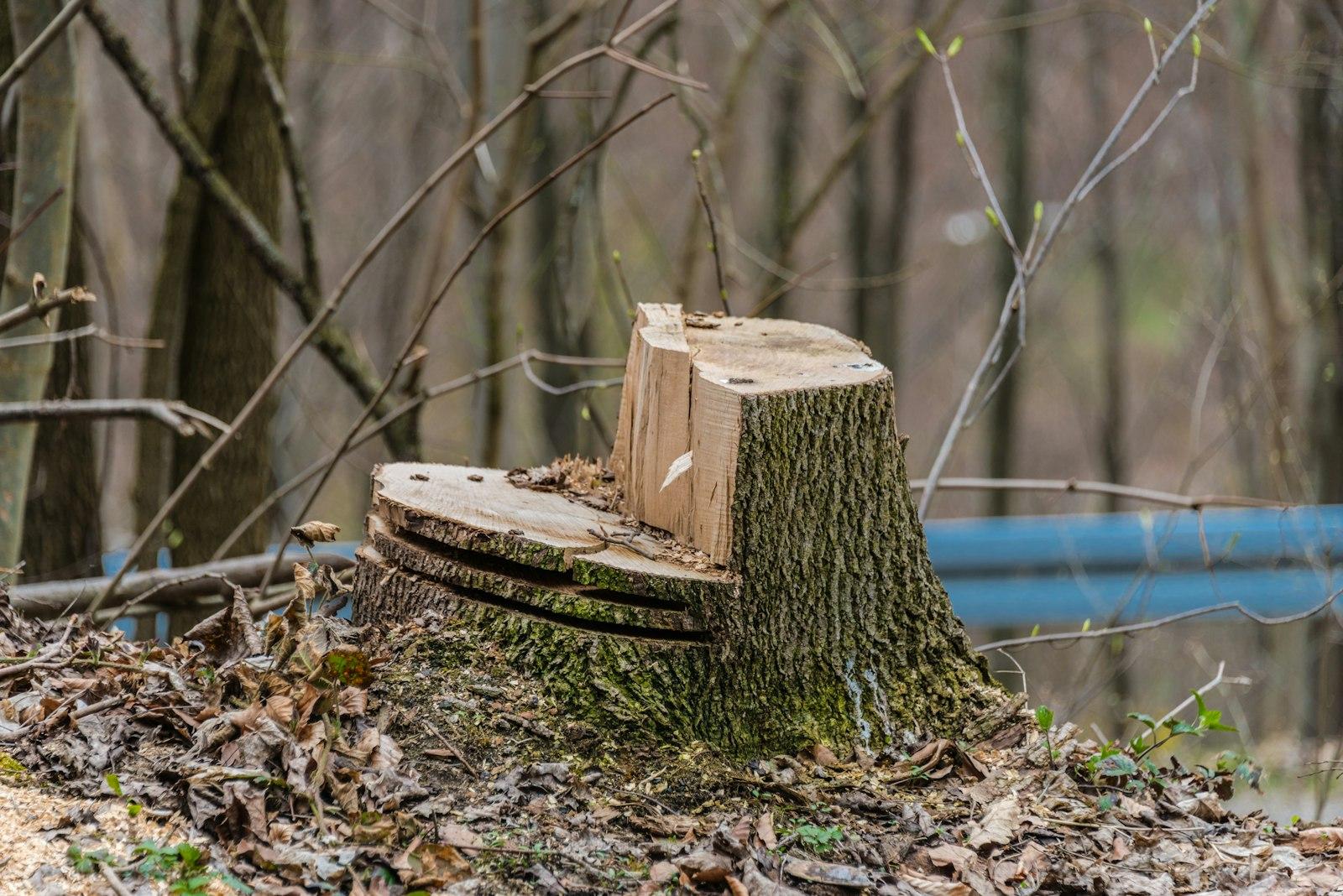
Stump Removal After Emergency Tree Work
Once the emergency is over and the tree is gone, a stump is left behind. Here is what to know about grinding versus full removal and how to handle it right.
Richmond Storm Tree Damage: An RVA Homeowner's Guide
Need Emergency Tree Service?
Our team of certified arborists is available 24/7 to handle any tree emergency.