How Tree Emergencies Impact Property Value and Insurance Rates

By Tree Emergency Expert
Tree Emergency Expert
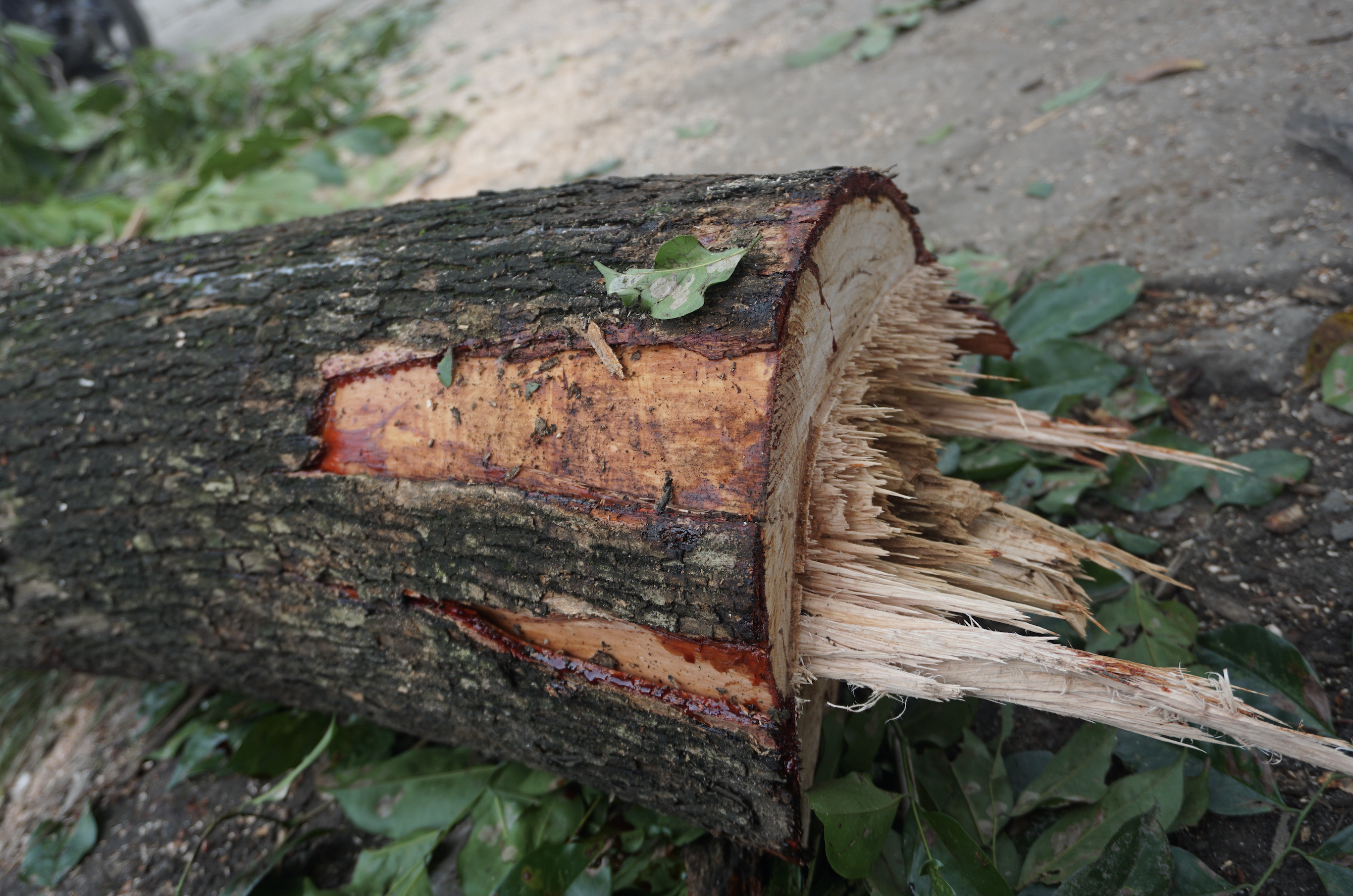
A single tree can add value to your property, but one that’s damaged or ready to fall? That’s a different story. In fact, fallen or at-risk trees can lower property value and cause hikes in insurance rates.
A single tree can add value to your property, but one that’s damaged or ready to fall? That’s a different story. In fact, fallen or at-risk trees can lower property value and cause hikes in insurance rates. Not only does this create safety concerns, but it also affects your home’s long-term investment potential. Whether you’re a homeowner or real estate investor, understanding the impact of tree emergencies on property value and insurance is essential. In this article, we’ll uncover the hidden costs of neglected trees, and share expert tips on how to protect your home and investment from the risks trees can pose.
1. How Tree Health Affects Property Value
A healthy, mature tree can add as much as 10% to your property’s value. They provide shade, improve curb appeal, and create an attractive environment. However, an unstable or diseased tree does the opposite, often reducing appeal and property value. Potential buyers will see a fallen or visibly damaged tree as a problem waiting to happen, which could lead to costly removal and repairs.
What You Can Do:
• Regular Inspections: Schedule annual check-ups with a certified arborist to catch any issues early. They’ll identify signs of disease, decay, and structural instability that you might miss.
• Routine Maintenance: Trim dead or overgrown branches and keep up with basic tree care. This not only promotes tree health but also ensures your landscape looks well-maintained, which can boost property appeal.
• Tree Positioning: If planting new trees, position them at a safe distance from your house and utility lines to avoid future issues with growth, root encroachment, or storm damage.
2. Insurance Implications: The Cost of Tree Damage Claims
If a tree on your property falls and causes damage to your home, garage, or car, the impact can extend to your insurance rates. When you file a claim for tree-related damage, your insurance provider may raise premiums, especially if similar claims happen frequently. In some cases, insurance companies may even deny coverage for damage if the tree was clearly in poor health and should have been removed.
What You Can Do:
• Know Your Coverage: Understand what your homeowner’s insurance covers regarding trees. Most policies will cover removal and repair for damage caused by “healthy” trees during storms, but may deny claims if the tree was already dead or diseased.
• Preventative Action: Take proactive steps to prevent damage by addressing tree health issues promptly. Insurers are more likely to honor a claim if it’s clear you took reasonable care of the trees on your property.
Share this article:
Related Articles
How Crane Removal Protects Your Roof
When a tree looms over or rests on your house, a crane lets crews lift it away instead of cutting it under load. Here is how crane removal protects your roof.

Rhode Island Storm Tree Damage: An Ocean State Guide
From Narragansett Bay hurricanes to heavy wet snow, here is how Rhode Island storms damage trees and how Ocean State homeowners can prepare their property.

Filing a State Farm Tree Damage Claim: What to Know
Need Emergency Tree Service?
Our team of certified arborists is available 24/7 to handle any tree emergency.