How to Keep Your Trees Healthy and Safe

By Tree Emergency Expert
Tree Emergency Expert
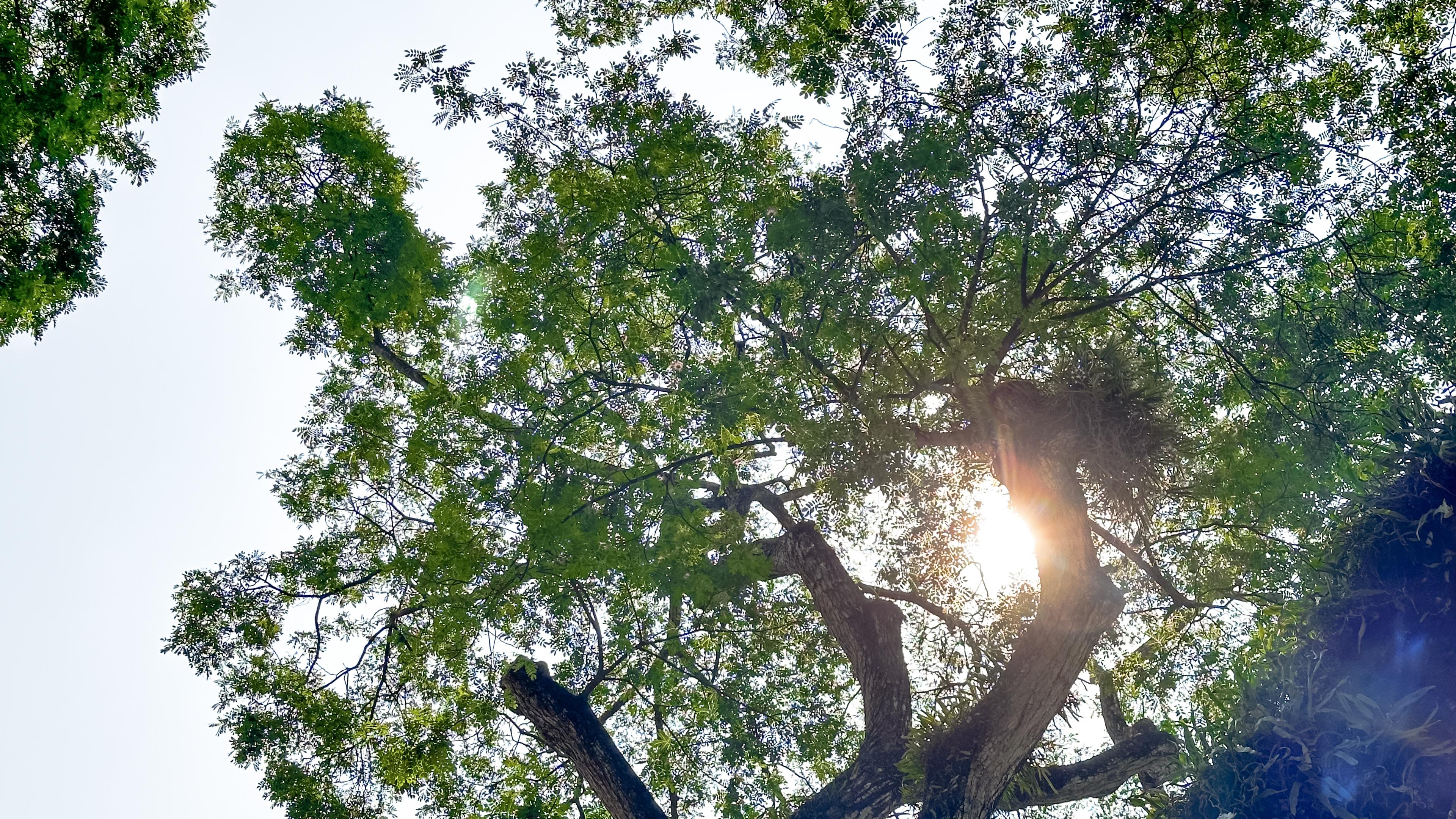
Think of tree maintenance like a routine check-up. The earlier you catch issues, the easier they are to fix. Walk your property and look for warning signs—cracks in the trunk, dead branches, fungal growth, or pests. If you see something suspicious, don’t wait. Addressing problems early can save a tree from irreversible damage.
How to Keep Your Trees Healthy and Safe
Trees don’t just make our landscapes beautiful—they provide shade, improve air quality, and even boost property value. But like anything worth keeping, they need proper care. Neglect a tree, and it can become weak, diseased, or even a hazard. The good news? Keeping your trees healthy and safe isn’t complicated. It just takes attention and action.
1. Start with Regular Inspections
Think of tree maintenance like a routine check-up. The earlier you catch issues, the easier they are to fix. Walk your property and look for warning signs—cracks in the trunk, dead branches, fungal growth, or pests. If you see something suspicious, don’t wait. Addressing problems early can save a tree from irreversible damage.
2. Water Wisely
Too much water can be just as harmful as too little. Newly planted trees need regular watering, but mature trees? They often rely on natural rainfall. In dry spells, deep watering once a week is better than frequent shallow watering. The goal is to soak the soil 12–18 inches deep, encouraging roots to grow strong and deep rather than staying weak and surface-level.
3. Mulch Matters
Mulching isn’t just about making your landscape look tidy—it protects your trees. A protective layer of organic mulch spread around the base helps retain moisture, regulate soil temperature, and prevent weeds. But don’t pile it against the trunk! That leads to rot and invites pests. Keep mulch about 2–4 inches deep and a few inches away from the trunk itself.
4. Prune with Purpose
Pruning isn’t just about aesthetics—it’s critical for tree health and safety. Eliminate dead, damaged, or diseased branches to reduce decay and accidents. But don’t overdo it! Over-pruning weakens a tree. Prune in late winter or early spring, just before new growth emerges, for the best results. And if a tree is near power lines or a structure, consider calling a professional to handle it safely.
5. Protect the Roots
Healthy roots mean a healthy tree. Heavy foot traffic, construction, or even parking too close can compact the soil, suffocating roots. If you’re planning any digging near a tree, be mindful of its root zone. A good rule of thumb? Stay at least as far as the tree’s canopy extends—its roots likely spread just as wide.
6. Watch for Pests and Diseases
Share this article:
Need help with this right now?
We respond 24/7. Call (866) 320-7003 or start with the page that matches your situation.
Related Articles
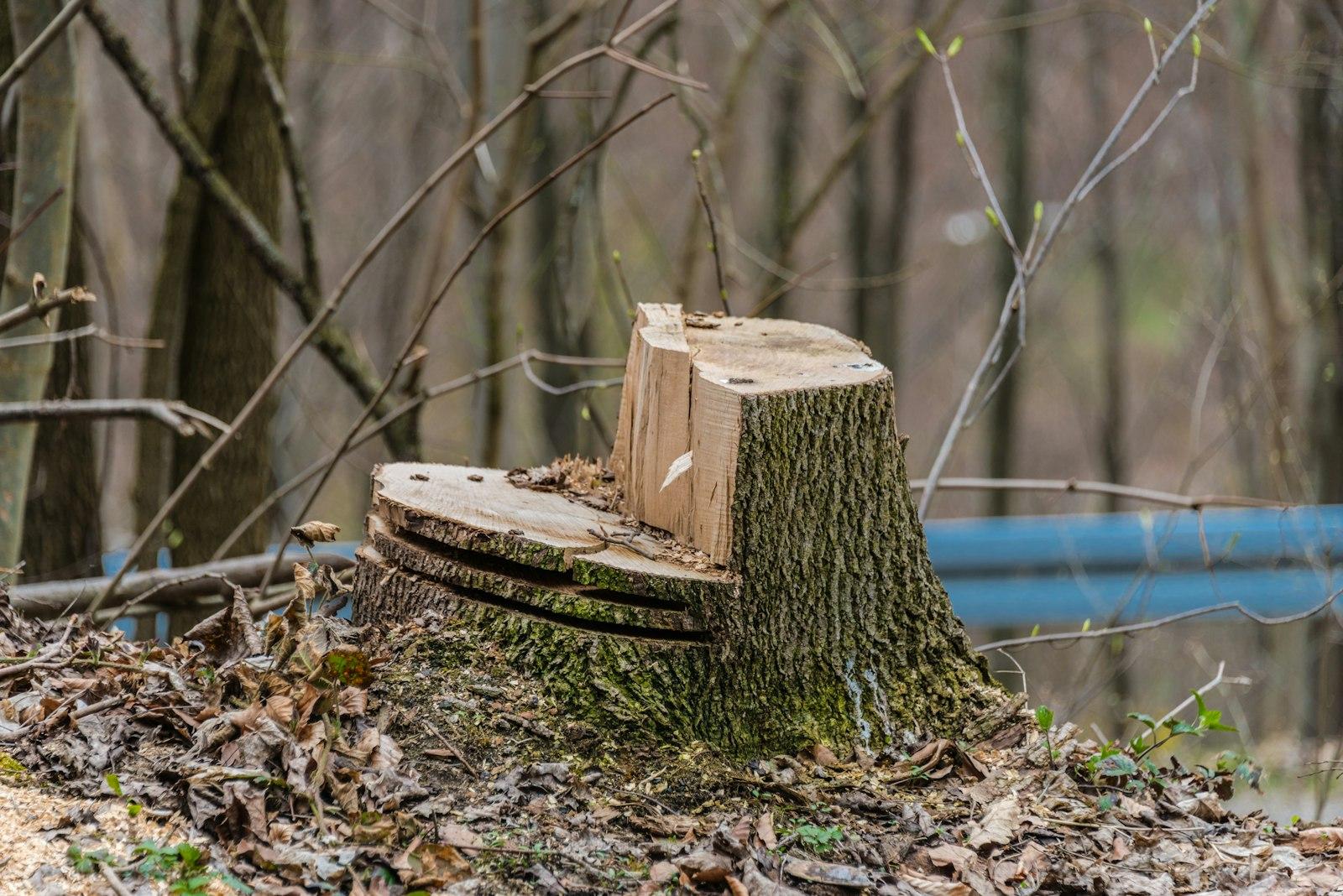
Stump Removal After Emergency Tree Work
Once the emergency is over and the tree is gone, a stump is left behind. Here is what to know about grinding versus full removal and how to handle it right.
Richmond Storm Tree Damage: An RVA Homeowner's Guide
Hurricane remnants, ice storms, and towering willow oaks each threaten trees differently. Here is how Richmond storms damage property and how to prepare.

Filing a Liberty Mutual Tree Damage Claim: A Guide
Need Emergency Tree Service?
Our team of certified arborists is available 24/7 to handle any tree emergency.