How to Assess Tree Damage After a Storm

By Tree Emergency Expert
Tree Emergency Expert
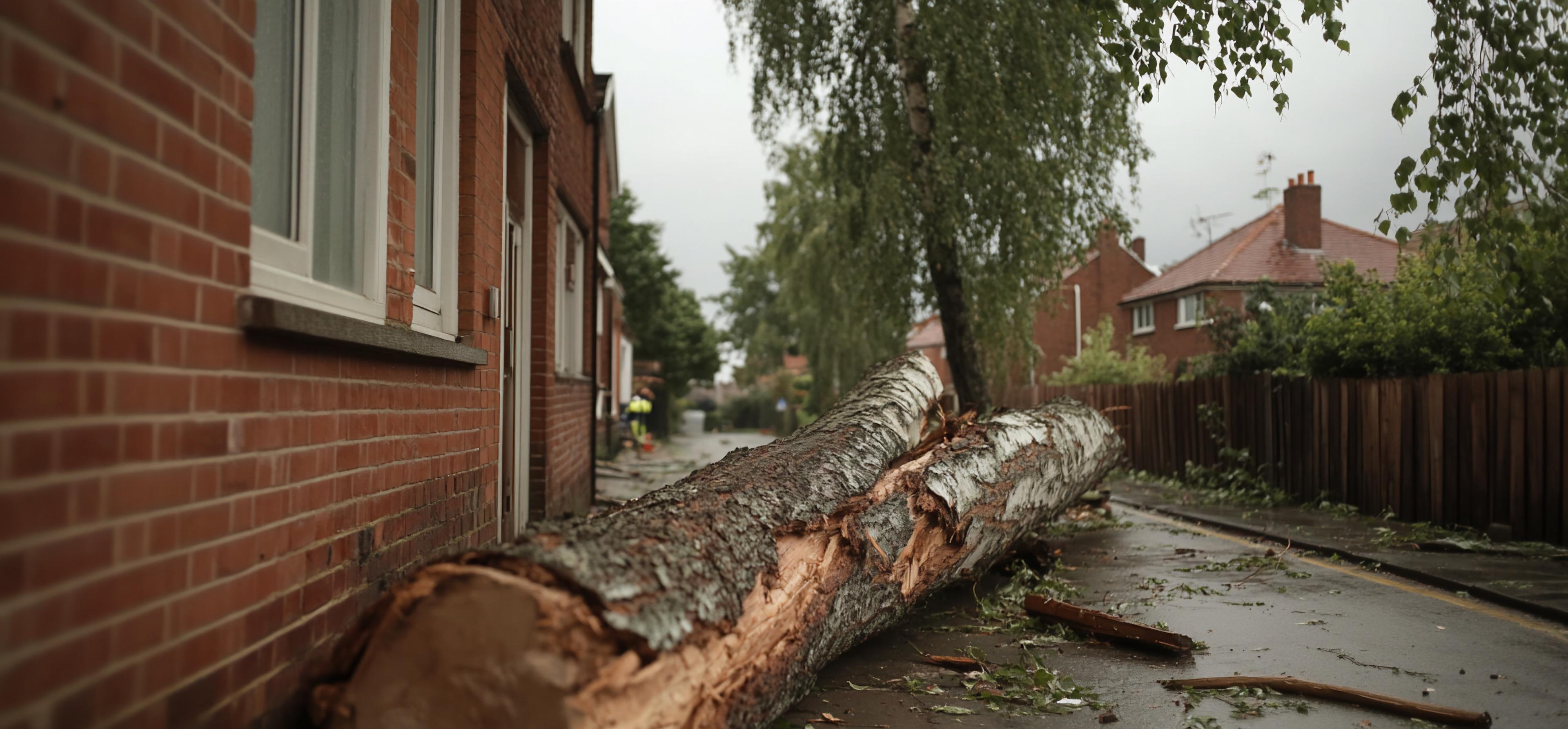
Storms rack up over $15 billion in tree-related damage every year. Let that sink in. If you’re a homeowner or property manager, assessing your trees after a storm isn’t optional—it’s critical.
Storms leave chaos in their wake, and trees often take the hardest hit. One fallen tree can block your driveway, crush your roof, or knock out power lines. But here’s the kicker: the damage you don’t see is often the most dangerous. Hidden cracks, weakened roots, and splintered branches can stick around, waiting to cause trouble. Storms rack up over $15 billion in tree-related damage every year. Let that sink in. If you’re a homeowner or property manager, assessing your trees after a storm isn’t optional—it’s critical.
Here’s how to evaluate storm-damaged trees, safeguard your property, and make smart decisions. Let’s break it down.
1. Safety First—No Exceptions
Before you even get close to a damaged tree, stop. Take a step back. Fallen branches and leaning trunks are unpredictable and can be extremely dangerous.
Actionable Tip: Scan the area for immediate hazards like downed power lines, large unstable branches, or leaning trees. Keep your distance. If there’s even a hint of danger, call a professional arborist or emergency services. Safety isn’t negotiable.
2. Spot the Obvious (and Not-So-Obvious) Damage
Some storm damage is easy to see—snapped limbs, uprooted trees, broken trunks. But other signs are more subtle and just as concerning.
Actionable Tip: Look closely for cracks in the trunk, split branches, or large wounds. These might not jump out at you, but they can compromise the tree’s stability. Address these issues sooner rather than later.
3. Size Up the Tree’s Health
Not every damaged tree is doomed. A strong, healthy tree with a few broken branches can often recover. But if the tree was already in rough shape, a storm might be the final straw.
Actionable Tip: Think back to the tree’s condition before the storm. Did it look healthy, or were there signs of decay, disease, or structural problems? Trees with less than 50% canopy loss usually bounce back, but those with extensive damage might not make it.
4. Don’t Ignore the Roots
A tree’s roots are its anchor. Storms can shift or partially uproot trees, even if it’s not immediately obvious.
Actionable Tip: Check for exposed roots, cracked soil, or a leaning trunk. If the root system is compromised, the tree is unlikely to recover and should be removed. It’s tough, but necessary.
5. Deal with Hanging Branches ASAP
Share this article:
Need help with this right now?
We respond 24/7. Call (866) 320-7003 or start with the page that matches your situation.
Related Articles

ACV vs. Replacement Cost for Tree Damage Claims
Actual cash value and replacement cost can produce very different payouts. Here is how each is calculated and what to check before you file a tree claim.
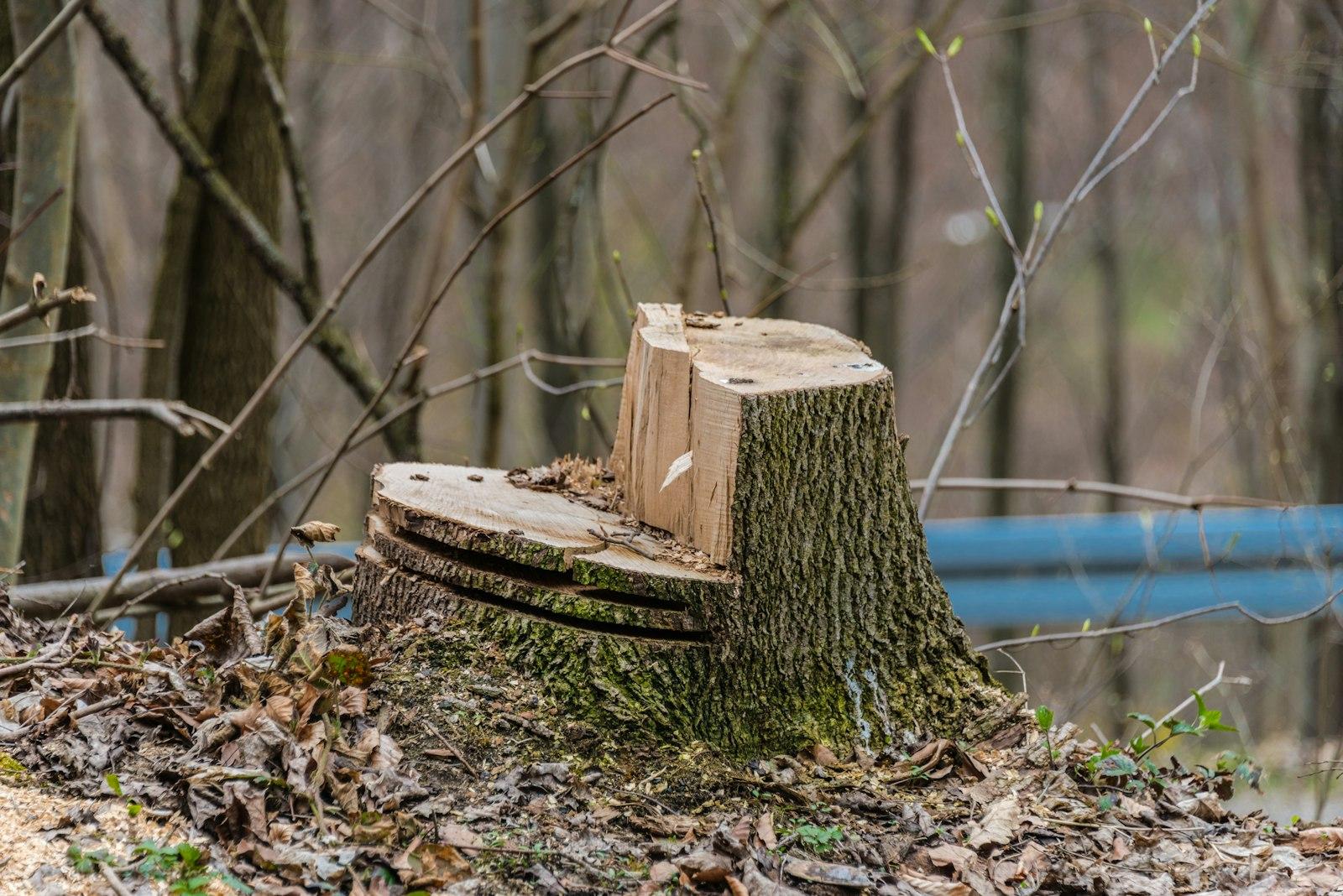
Stump Removal After Emergency Tree Work
Once the emergency is over and the tree is gone, a stump is left behind. Here is what to know about grinding versus full removal and how to handle it right.
Richmond Storm Tree Damage: An RVA Homeowner's Guide
Need Emergency Tree Service?
Our team of certified arborists is available 24/7 to handle any tree emergency.