How Straight-Line Winds in Media, PA Create Hidden Tree Hazards

By Tree Emergency Expert
Tree Emergency Expert

Straight-line winds aren’t tornadoes. But they pack the same destructive punch. These winds, often part of fast-moving thunderstorms called derechos, blast in one direction—hard and fast. Speeds regularly hit 60 to 100 mph.
How Straight-Line Winds in Media, PA Create Hidden Tree Hazards
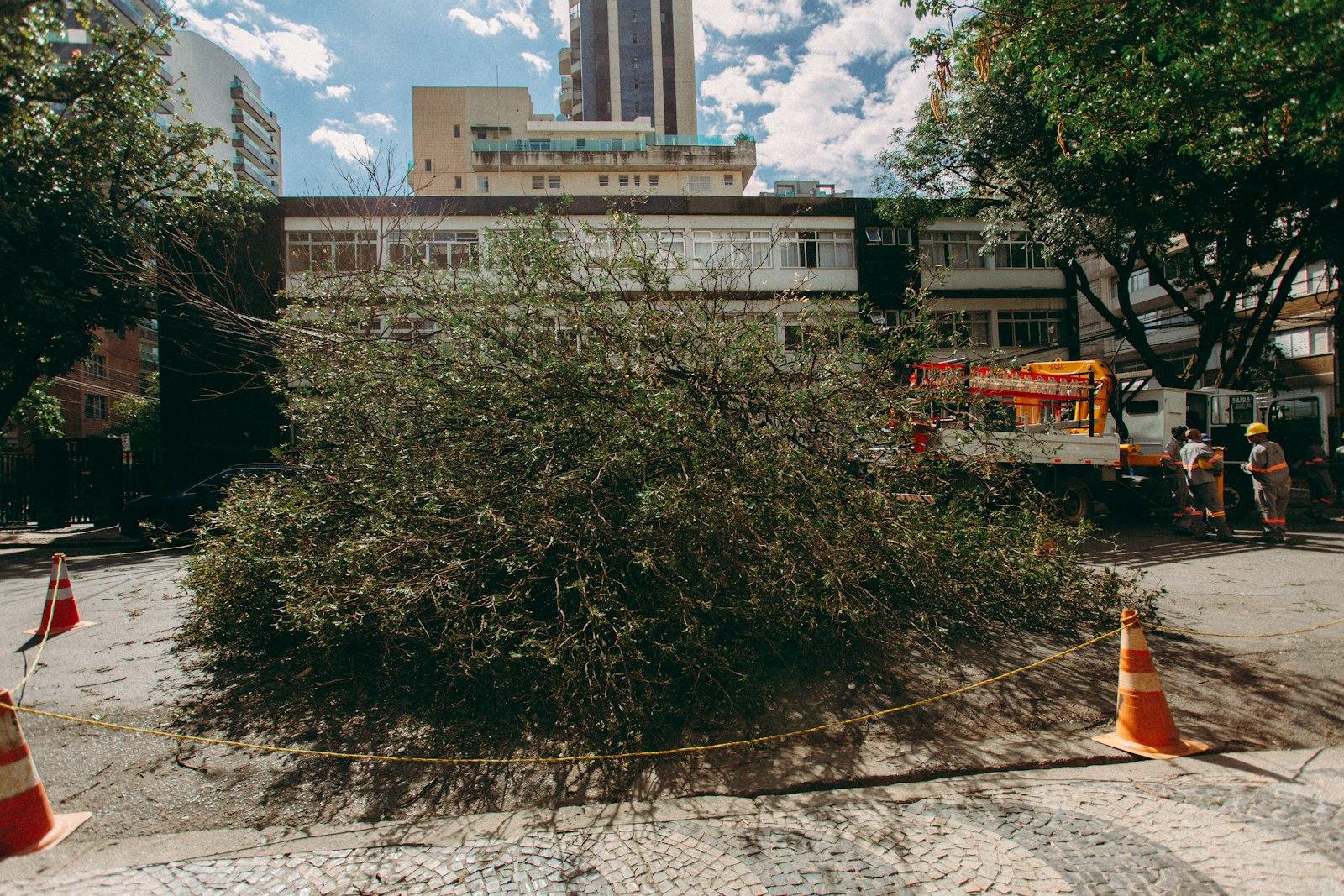
“You don’t need a tornado to lose a tree—just 70 mph of fury in a straight line.” In the summer of 2023, straight-line winds snapped and uprooted trees across Delaware County. Entire blocks in Media, PA were left in the dark. Some yards looked like war zones. And many homeowners had no idea they were still living with silent hazards weeks later.
Let’s break this down. Clearly. Quickly. Safely.
What Are Straight-Line Winds—and Why Are They So Dangerous for Trees?
Straight-line winds aren’t tornadoes. But they pack the same destructive punch. These winds, often part of fast-moving thunderstorms called derechos, blast in one direction—hard and fast. Speeds regularly hit 60 to 100 mph.
Here’s what that does to trees:
Uproots them entirely (especially in soft, saturated soil)
Shears off major limbs
Splits trunks vertically, sometimes deep into the base
Weakens root structures without visible signs
And here's the kicker: You won’t always see the damage right away.
The Hidden Hazards Lurking in Your Yard
Let’s get specific. After a straight-line wind event, not all threats are obvious. Some play the long game.
1. Leaning Trees That Didn’t Fall
If your tree’s posture changed—even slightly—it could signal compromised roots. This kind of tilt can suddenly worsen during the next rainstorm. Or snow. Or breeze.
2. Hanging Limbs (a.k.a. “Widowmakers”)
A limb broken but not fallen is one of the most dangerous things in a yard. It can hang silently for days… until gravity wins.
3. Cracked Root Collars and Split Trunks
You have to look low—at the very base. Check for hairline splits, bulging soil, or gaps forming between trunk and ground. These are the warning signs most people miss.
Share this article:
Need help with this right now?
We respond 24/7. Call (866) 320-7003 or start with the page that matches your situation.
Service in your area
Related services
Related Articles
Emergency vs. Scheduled Tree Removal Explained
A tree on your roof and a dead tree out back are two very different jobs. Here is how to tell whether you need emergency response or a scheduled removal.
Buffalo Lake-Effect Tree Damage: An Erie County Guide
Lake-effect snow, wet snow bands, and ice loading each threaten Buffalo's trees. Here is how Erie County storms cause damage and how to prepare.

How to Appeal a Denied Tree Damage Insurance Claim
Need Emergency Tree Service?
Our team of certified arborists is available 24/7 to handle any tree emergency.